Projects
Each project is approached as a complete system. Materials, techniques and historical context are always considered together, never isolated tasks. Below you will find examples of how different crafts come together in real restoration work.
Cleaning
Cleaning is never cosmetic. The goal is to remove what does not belong, without damaging what must remain, historic masonry, lime-based substrates, non-invasive methods.
Masonry/lime mortar pointing
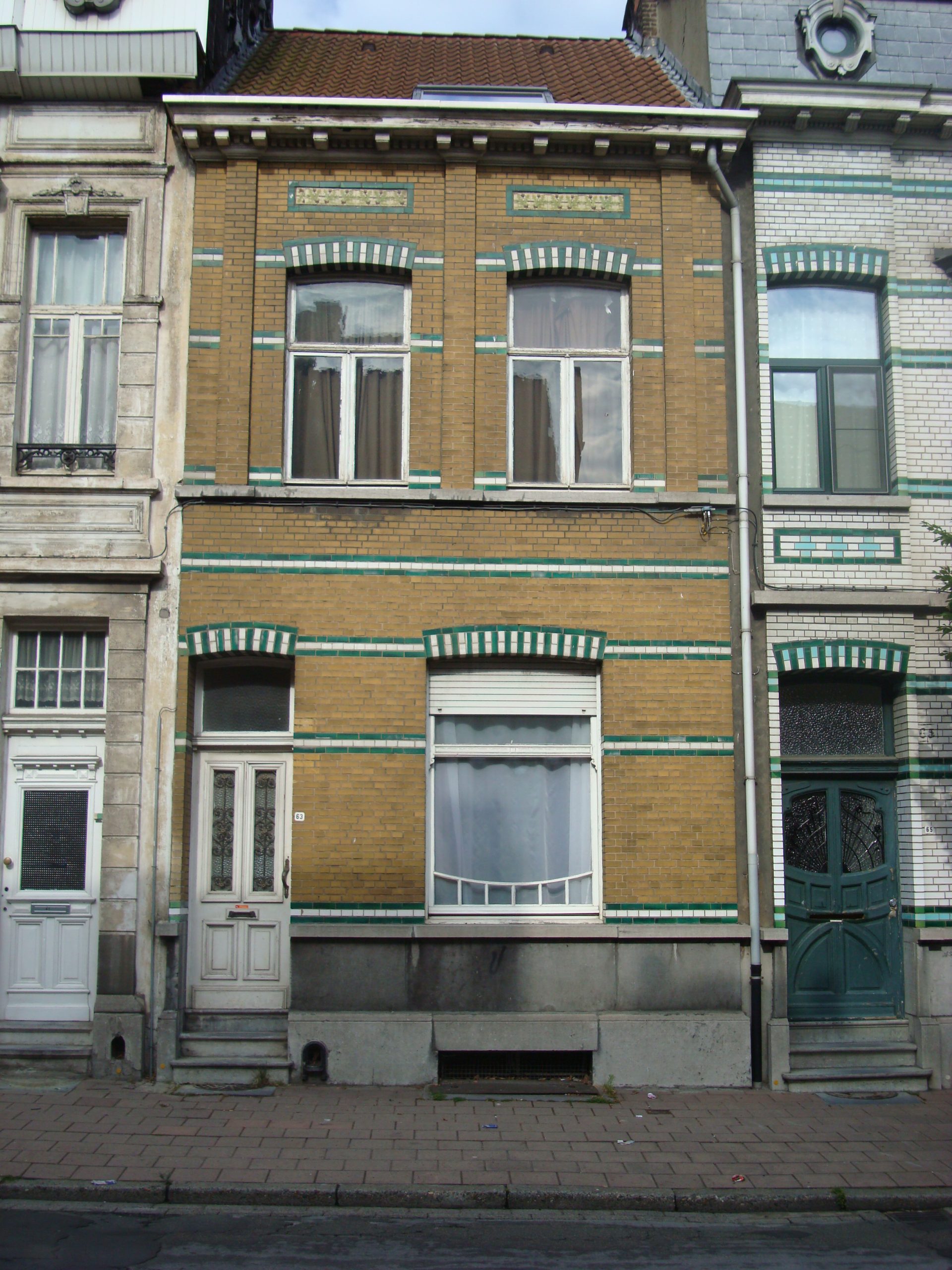
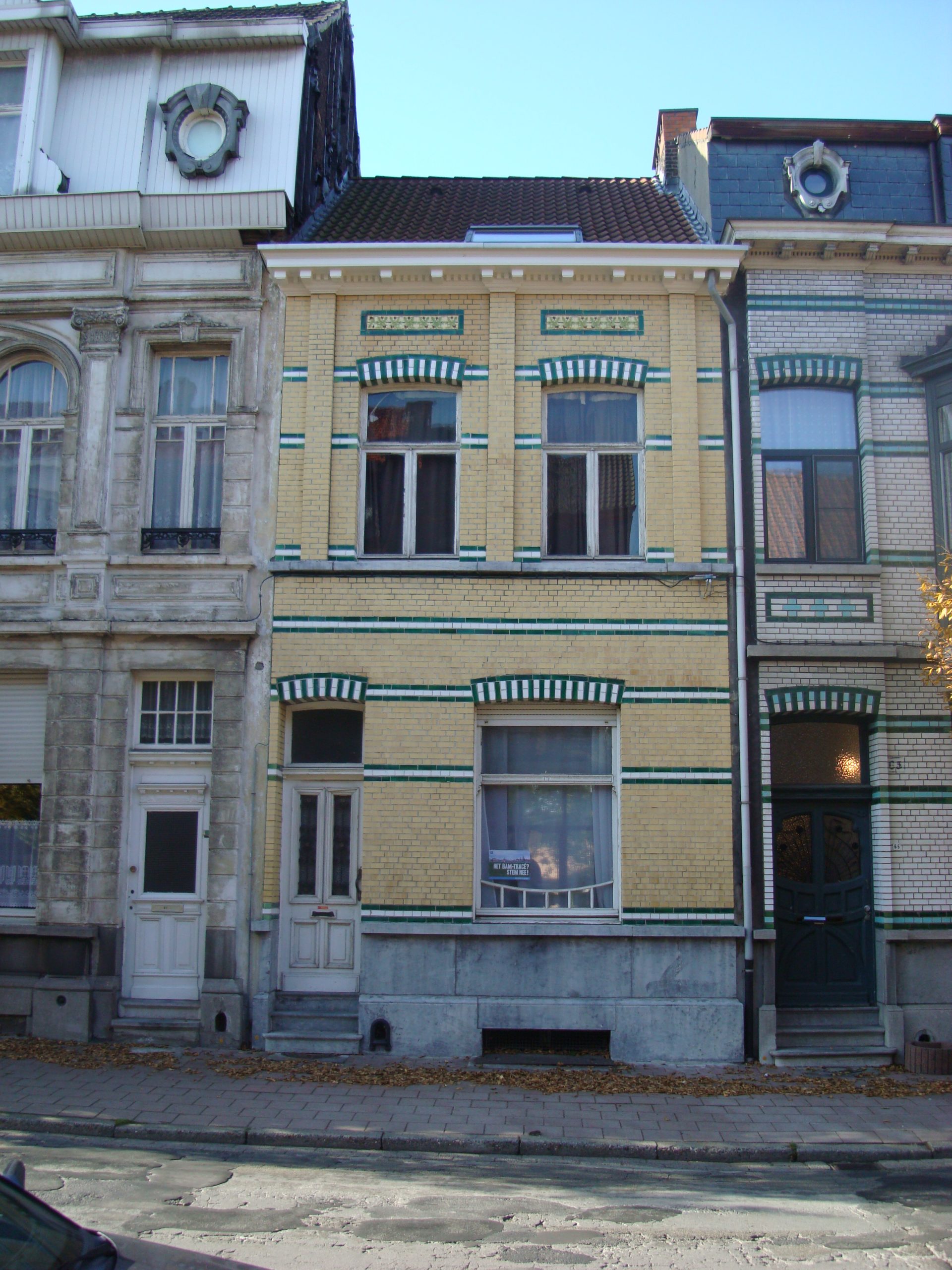
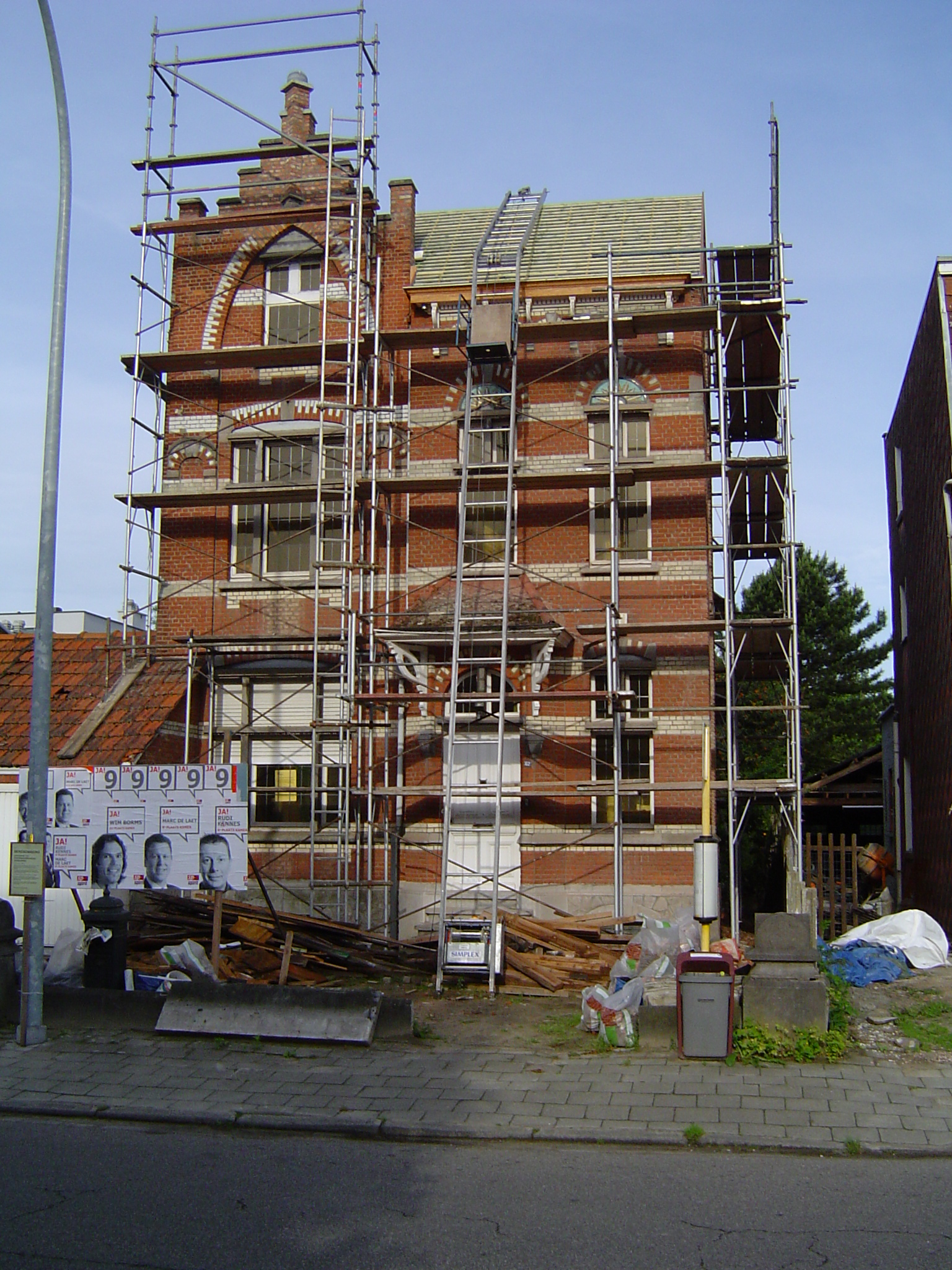
Masonry forms the structural and visual foundation of historic facades. Restoration focusess on retaining original material wherever possible, removing only what no longer belongs. Repairs are carried out using compatible materials and traditional techniques, respecting age, patina and construction logic. Lime-based mortars are essential to allow the masonry to breathe and move naturally. Repointing is done with care, matching the original mortar in composition, texture and colour, ensuring durability without damaging the surrounding masonry.
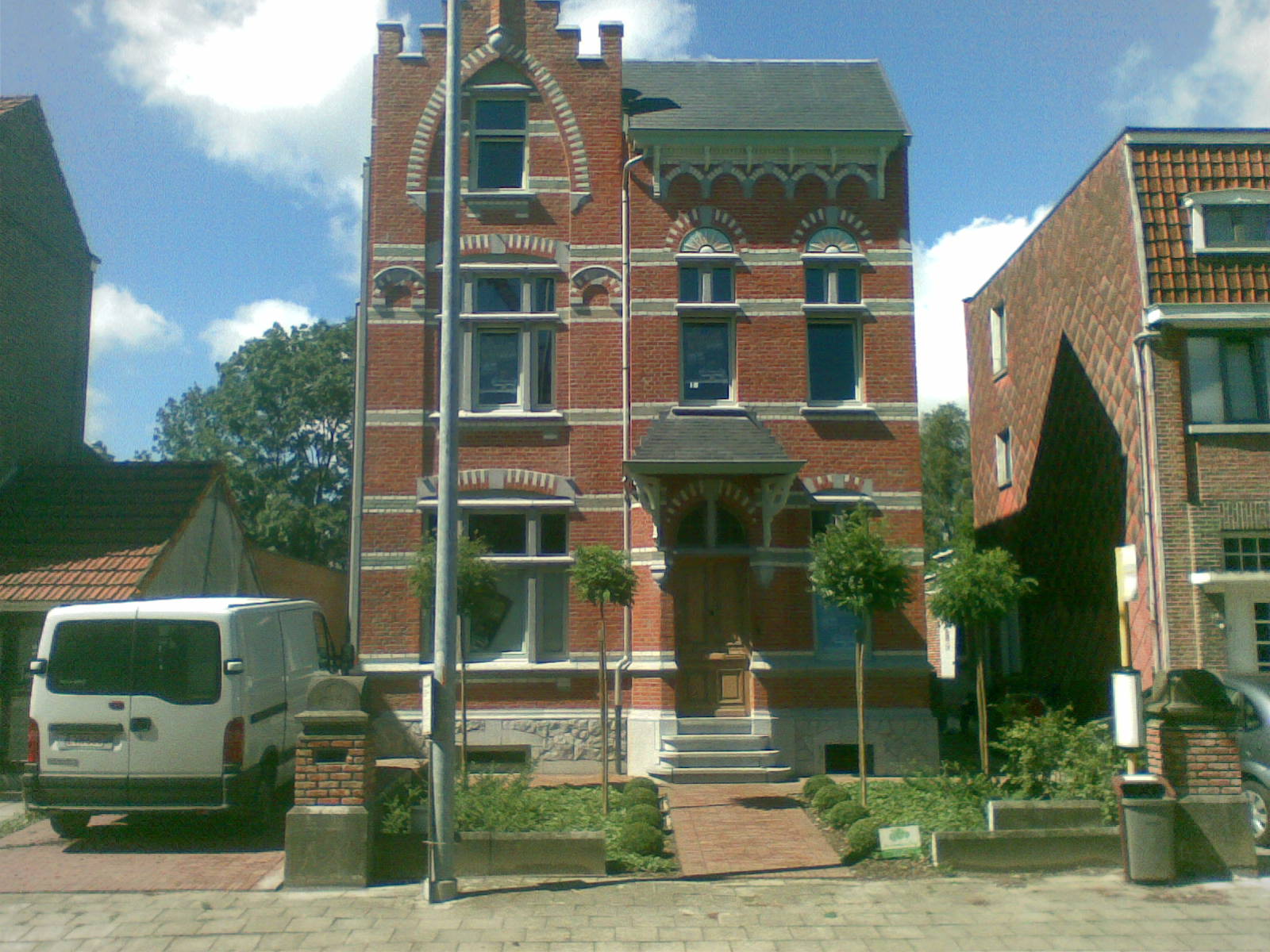
Belgian blue stone
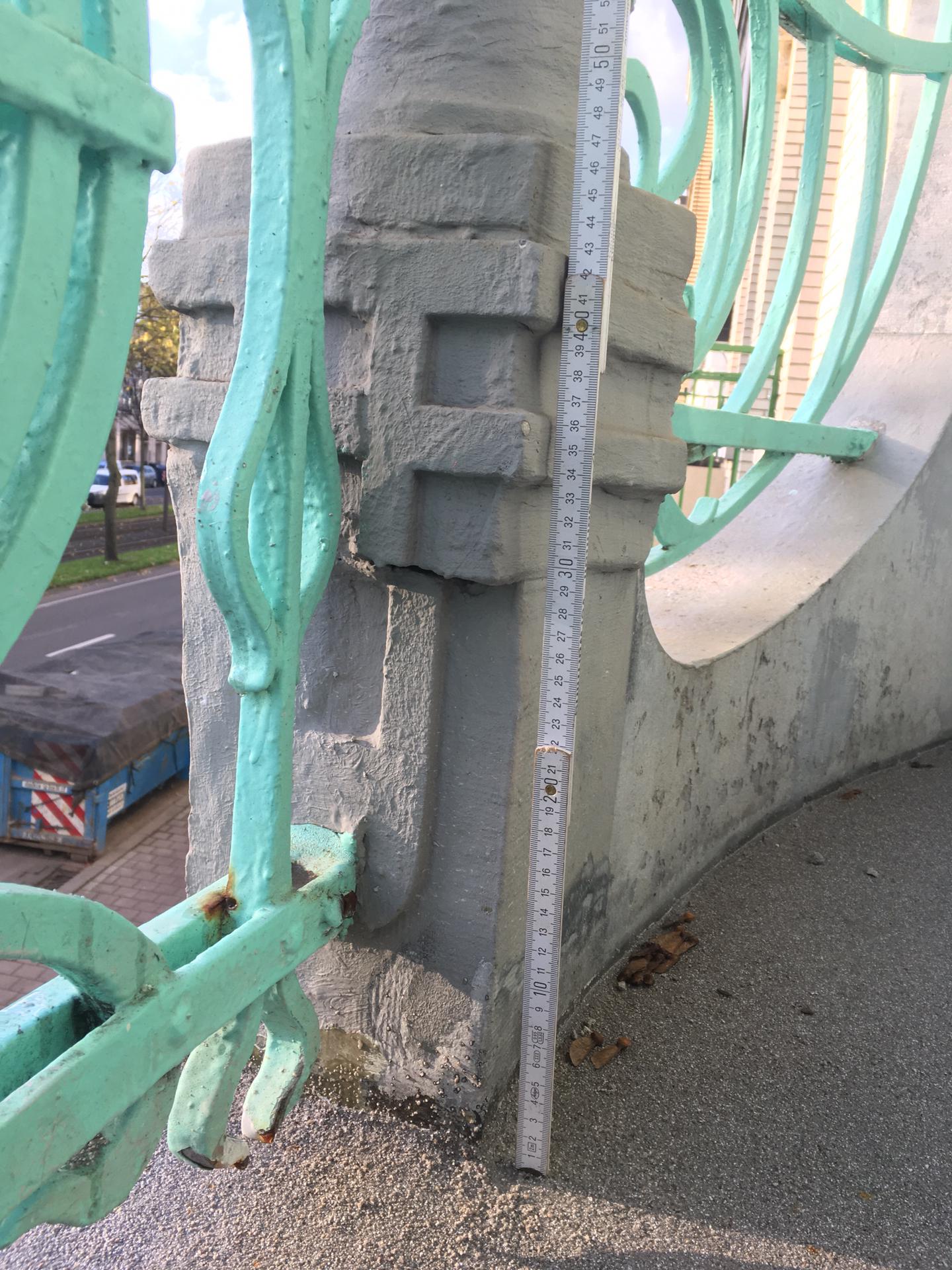
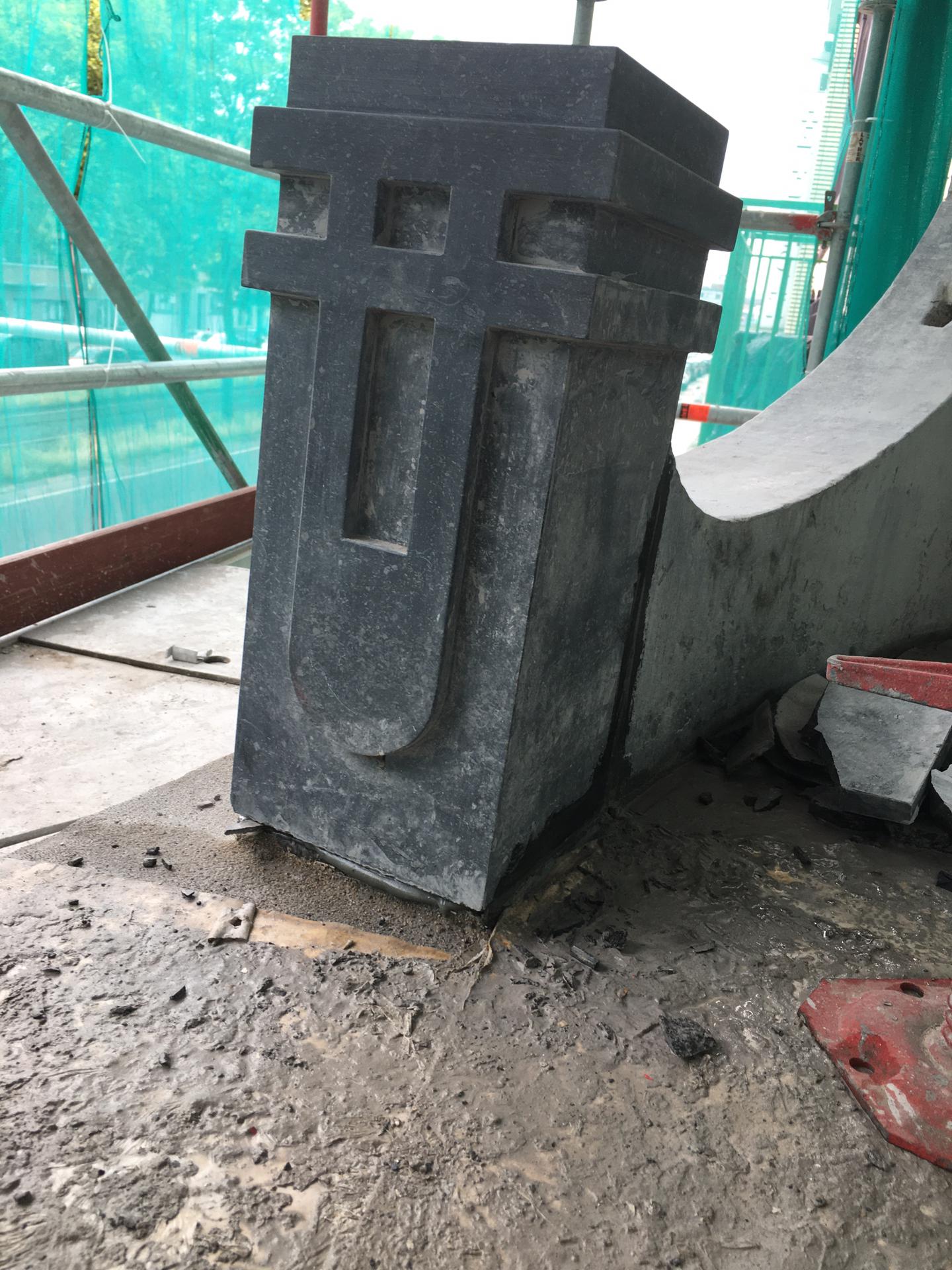
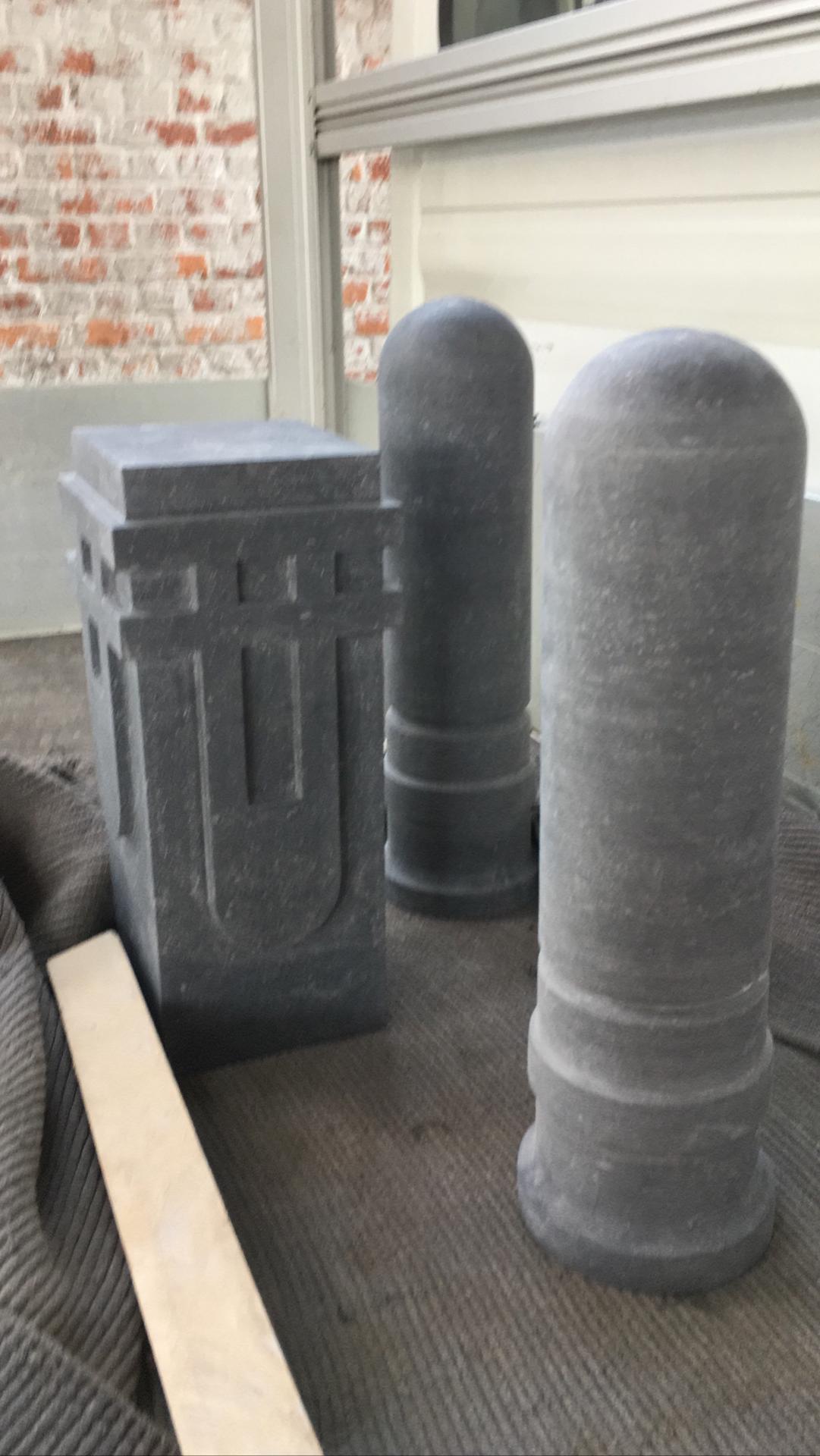
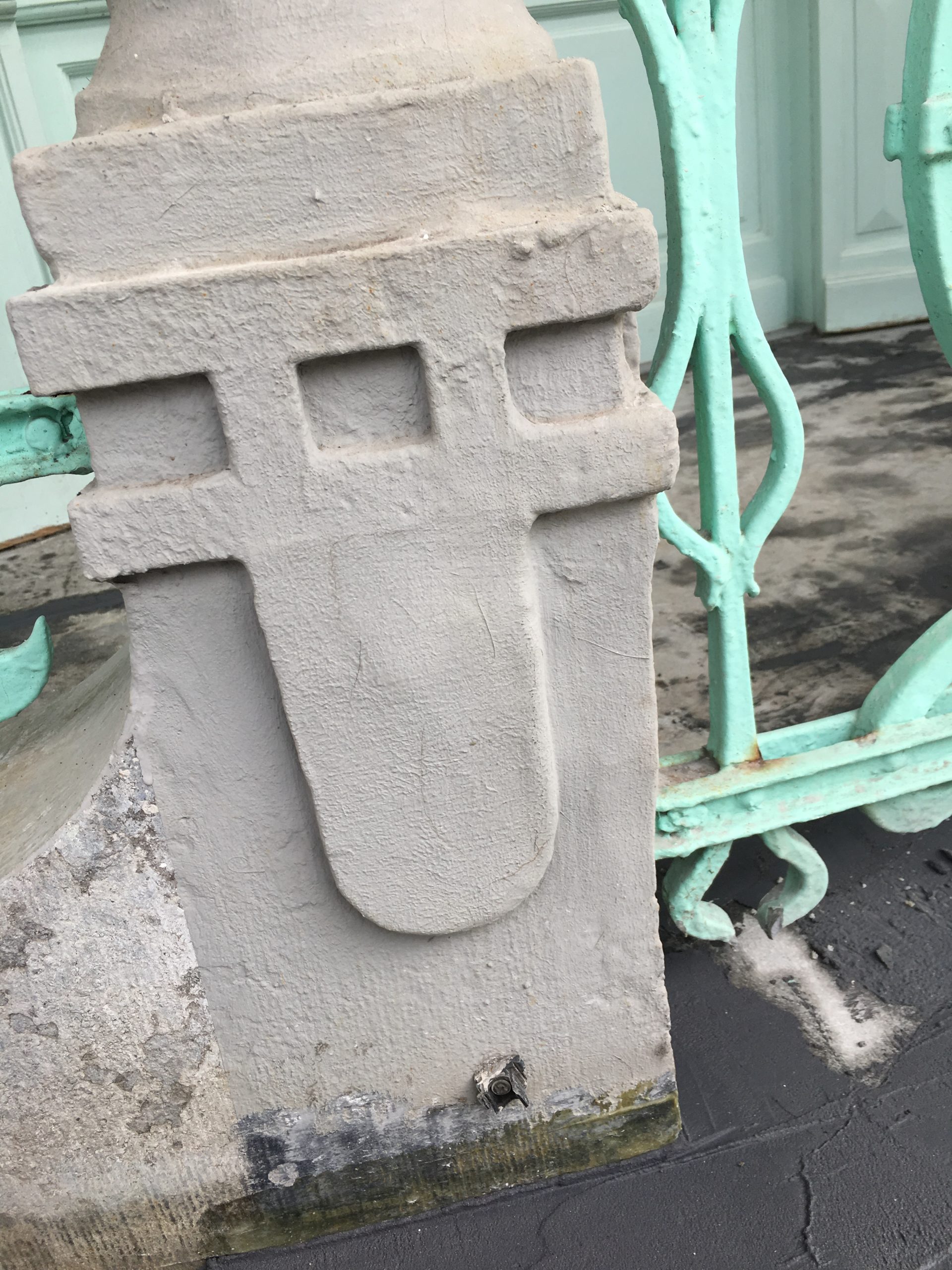
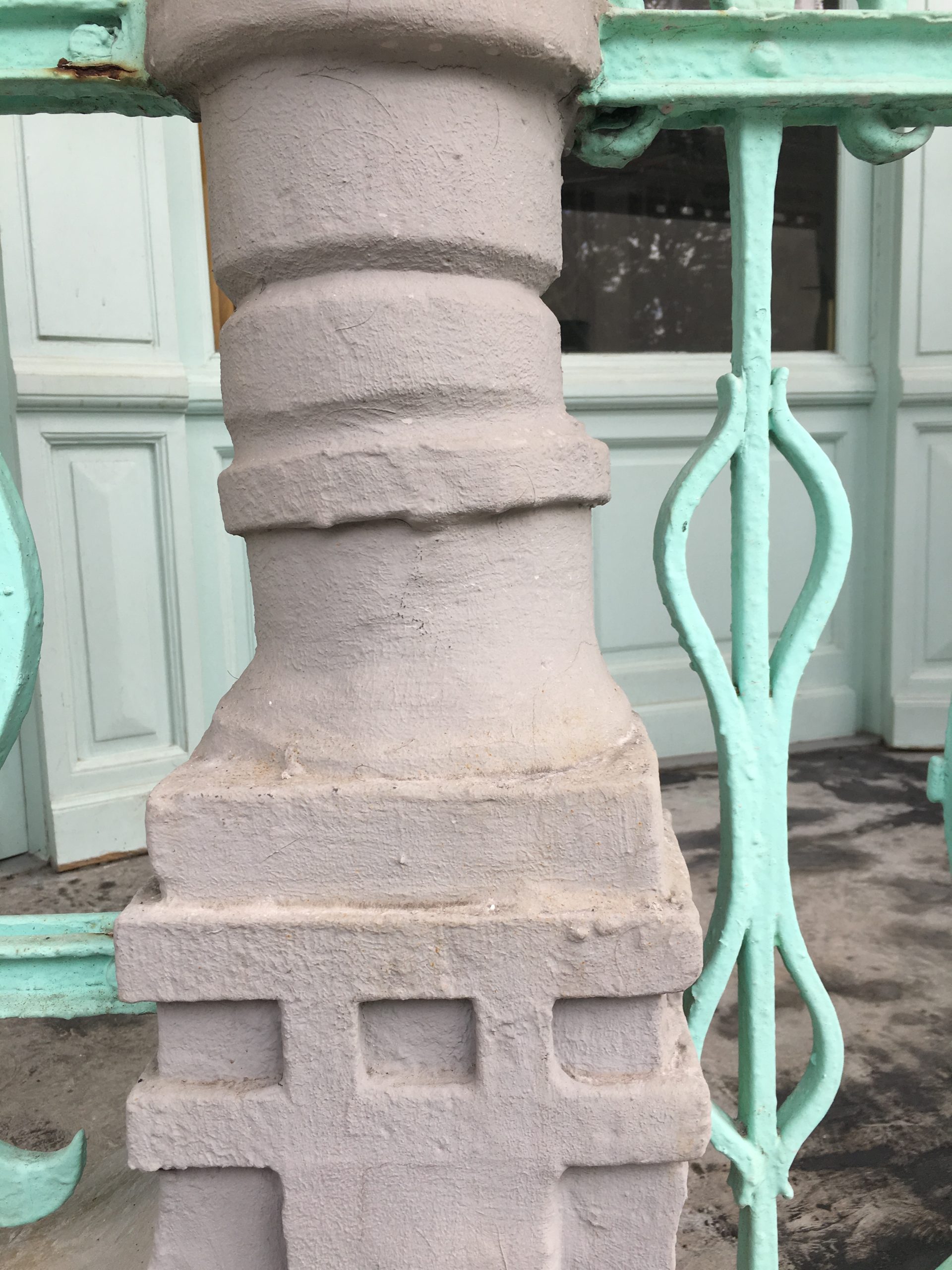
Belgian blue stone is a defining element in many historic facades, used for plinths, window sills, door thresholds, corniches and decorative details. Its durability and refined appearance make it both structural and expressive. Restoration focuses on carefull cleaning, local repairs and consolidation rather than replacement. Damaged or weathered areas are treated with compatible mineral products, preserving original tool marks and surface texture. When replacement is unavoidable, matching stone is selected to maintain visual continuity and architetural integrity.
Wood
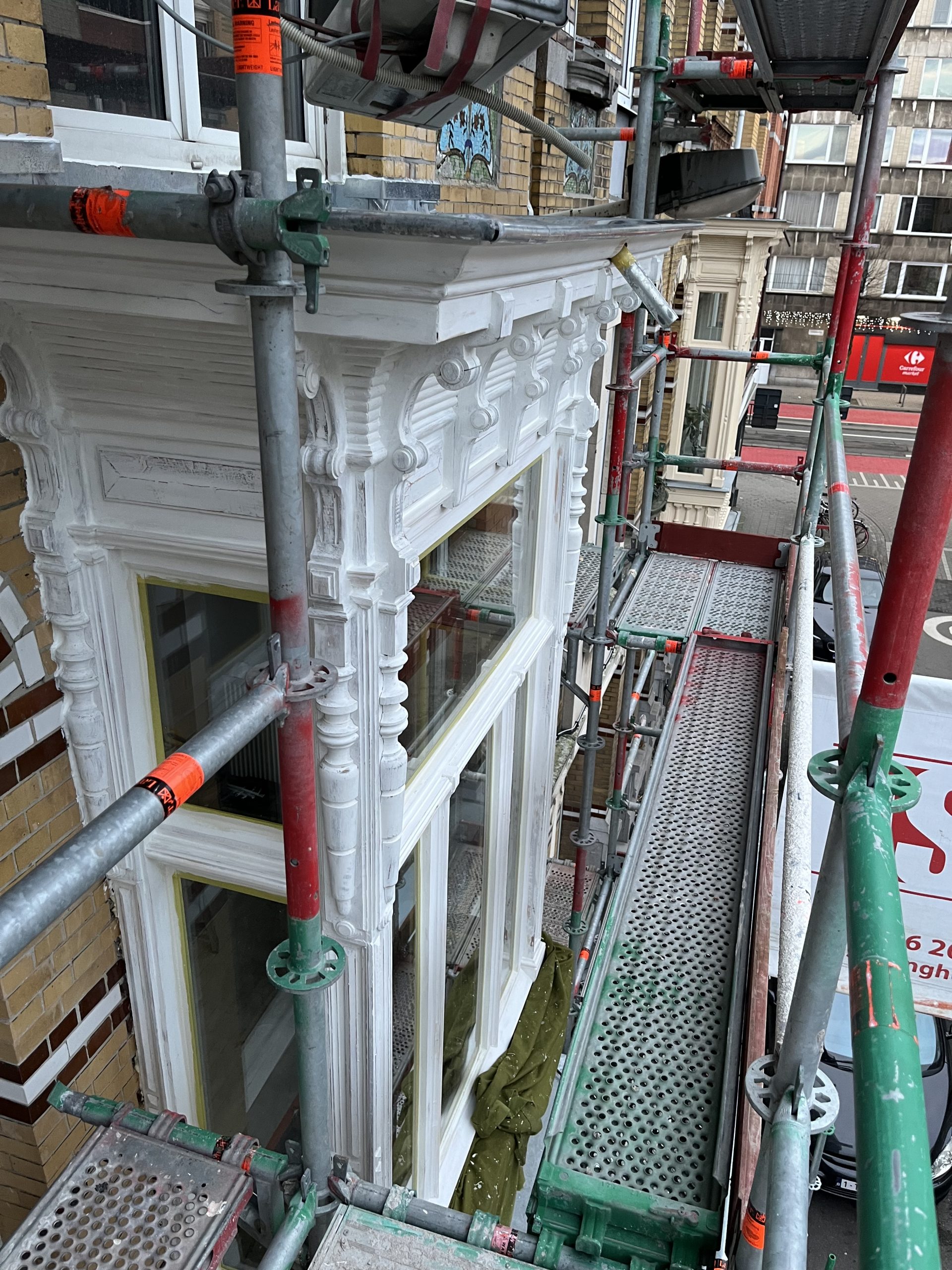
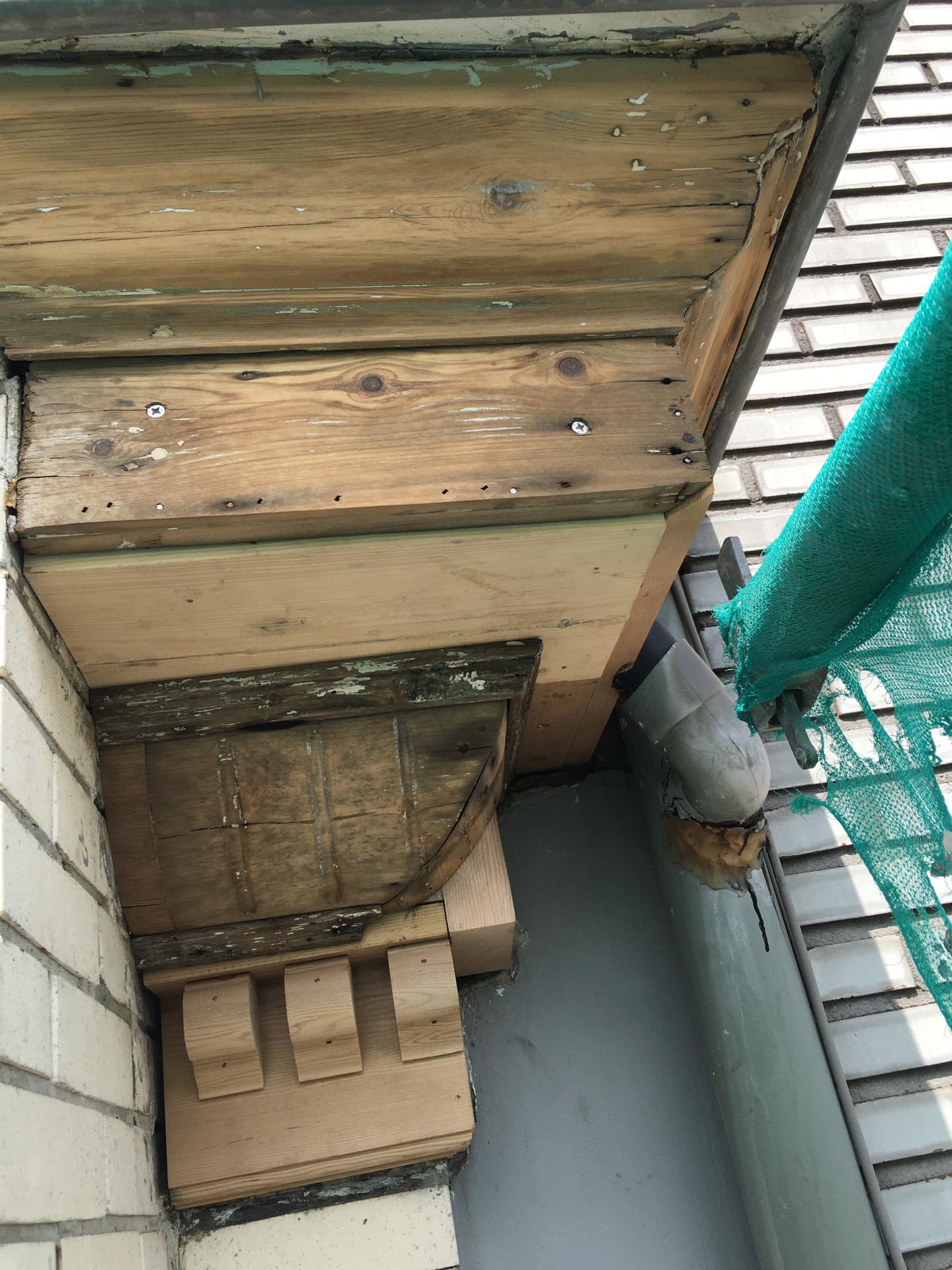
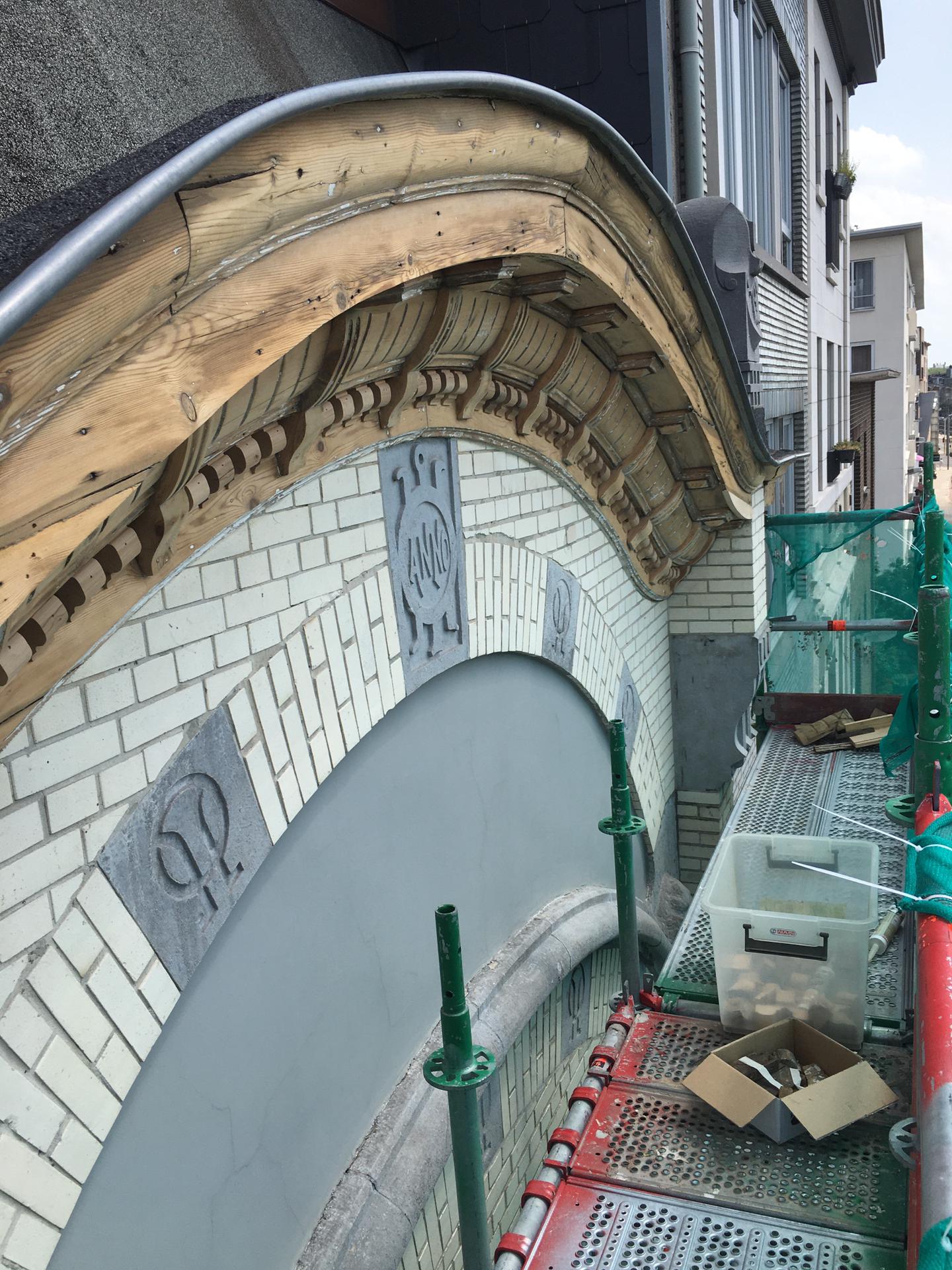
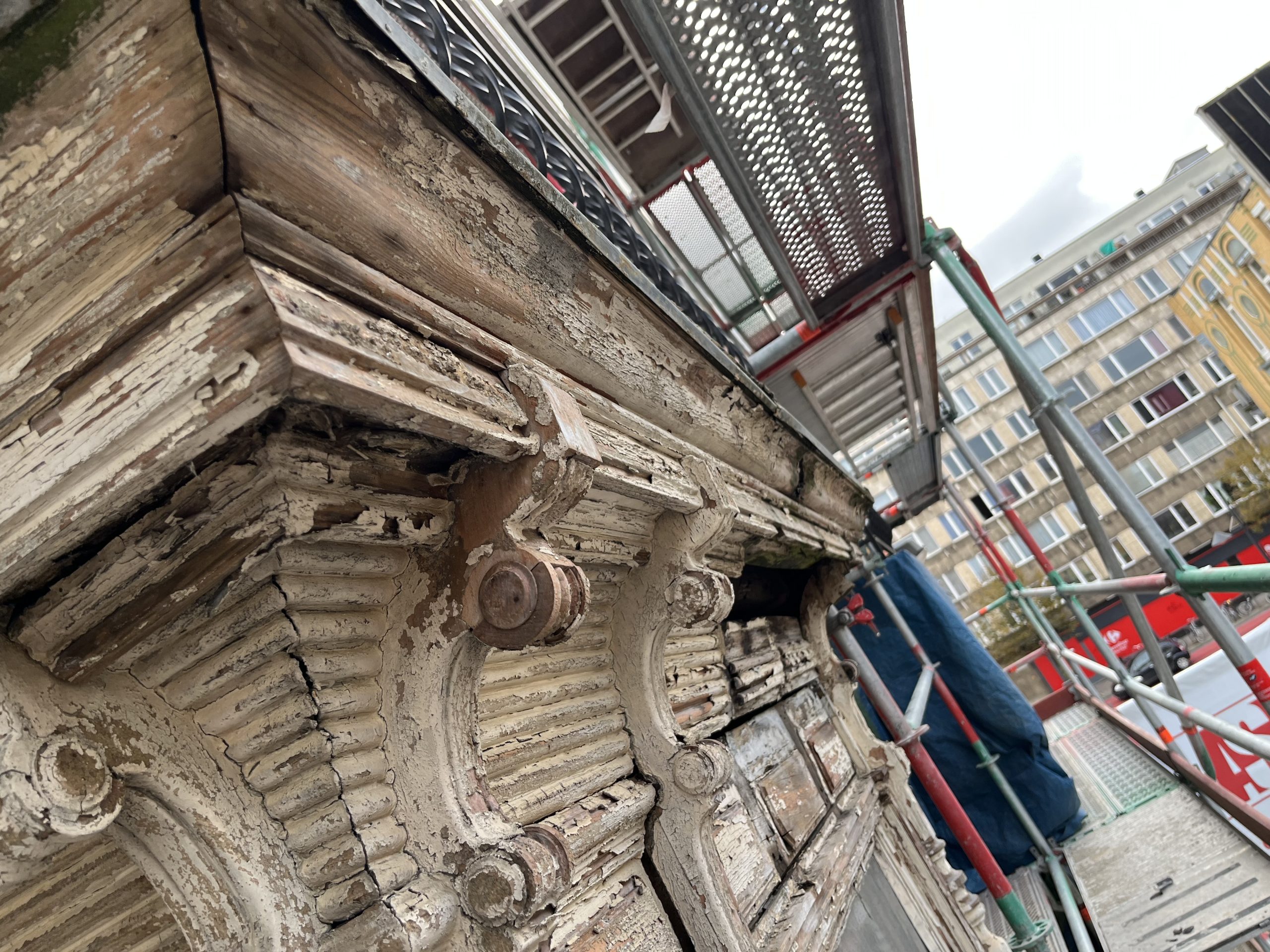
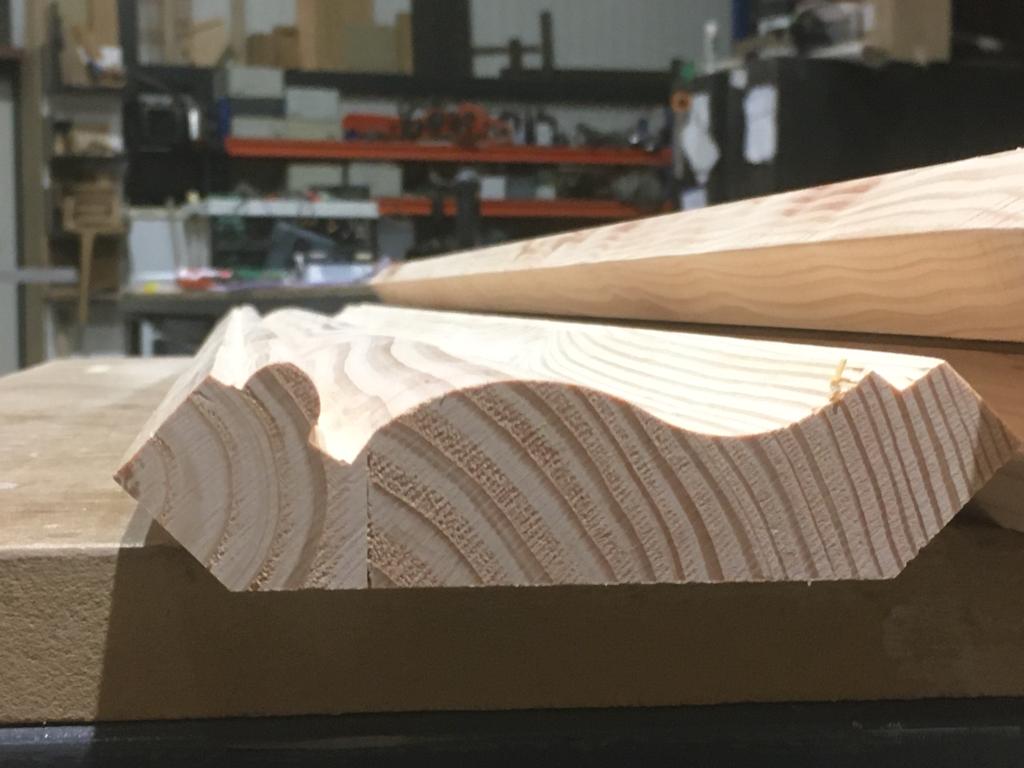
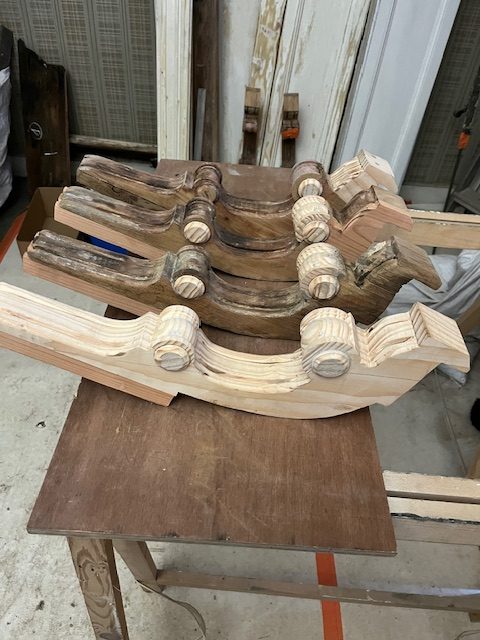
Wooden elements are restored with respect for the original profiles, proportions and joinery. Repairs focus on durability, authenticity and seamless integration into the existing facade. Work typically includes repair and partial replacements of window frames, corniches and decorative details, using traditional profiles and techniques. Where necessary, restoration is carried out in collaboration with specialized craftsmen to ensure structural soundness and long-term preservation, without erasing the character of the original woodwork.
Steel (structural/custom steel)
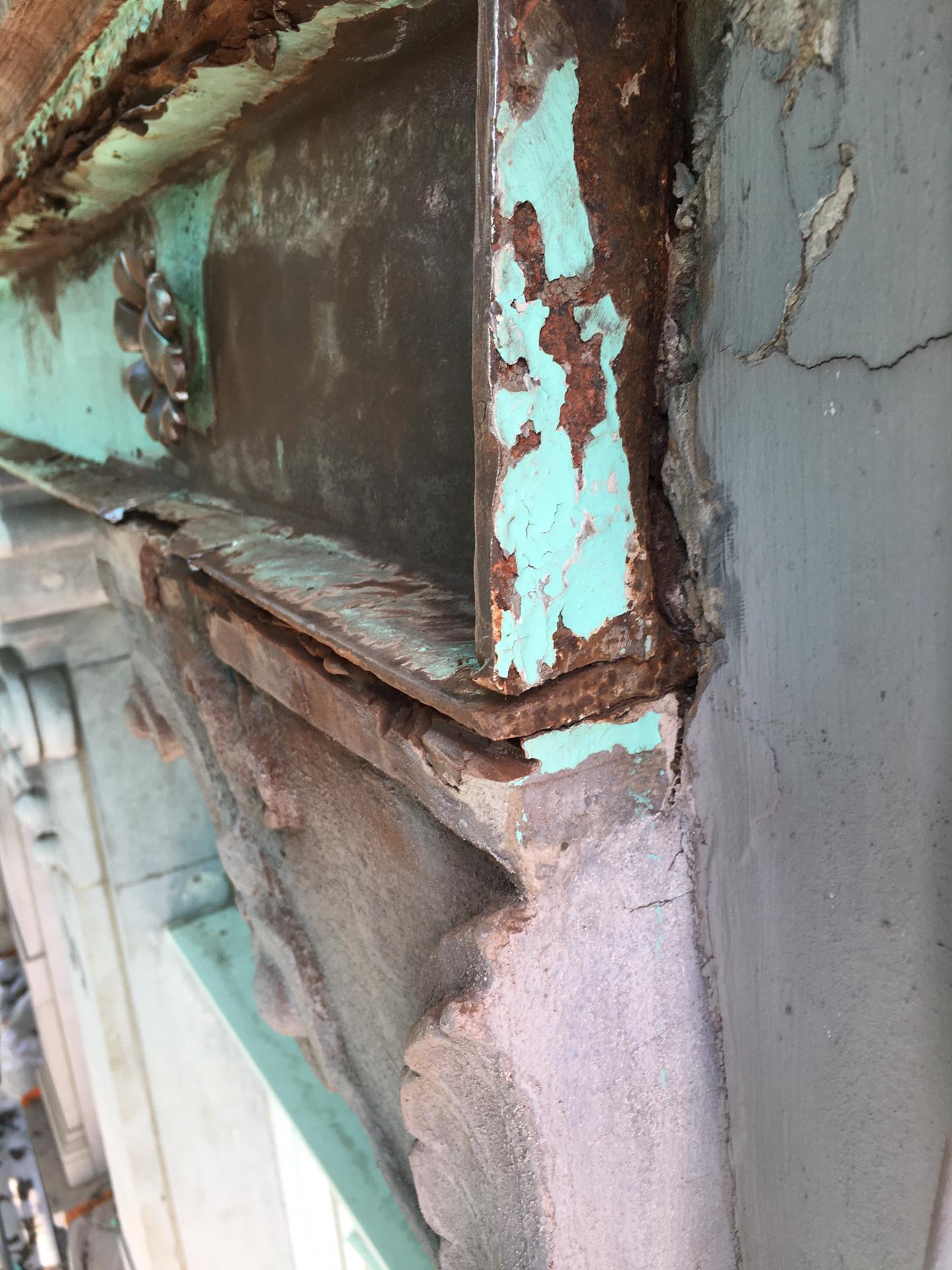
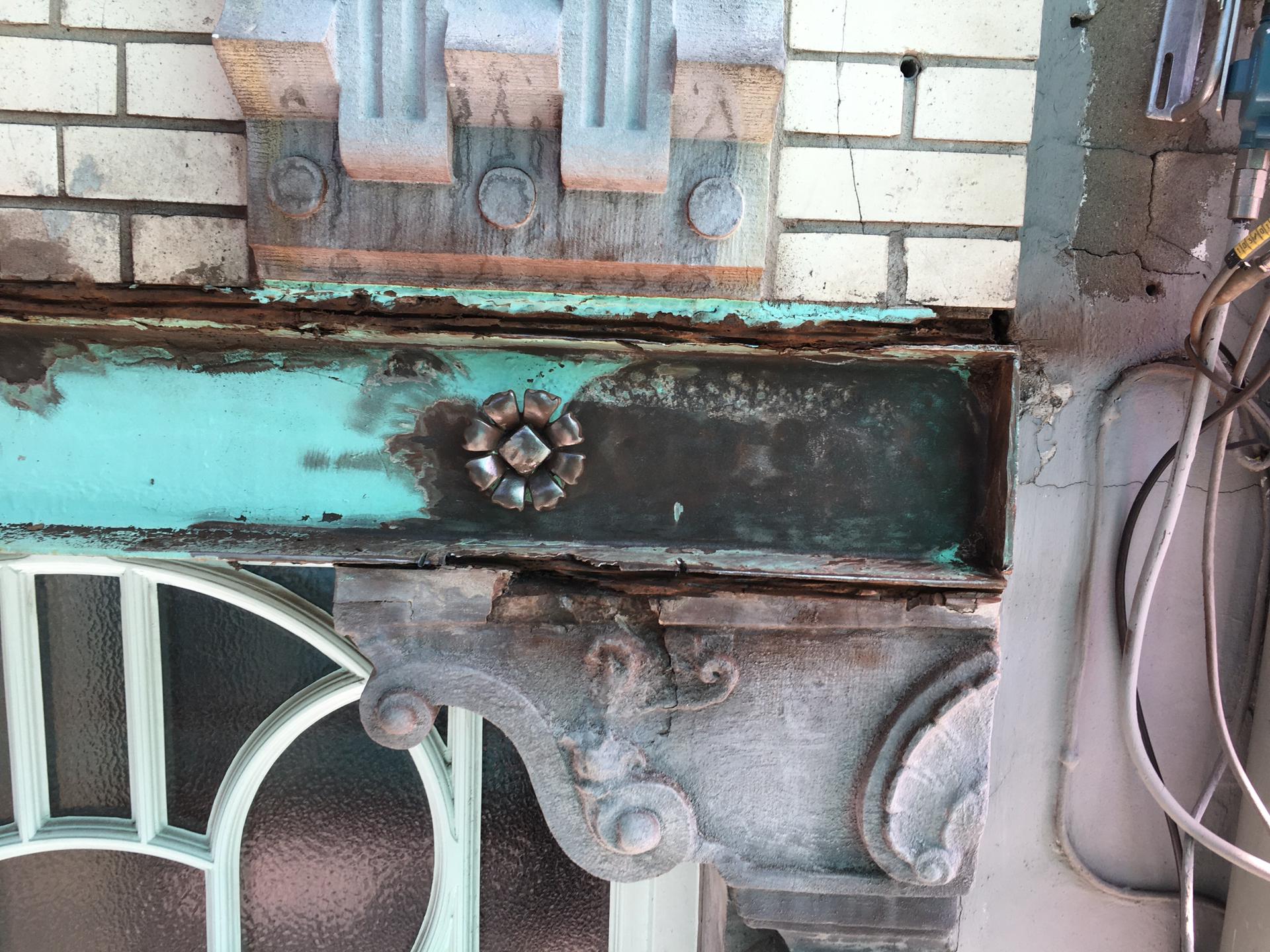
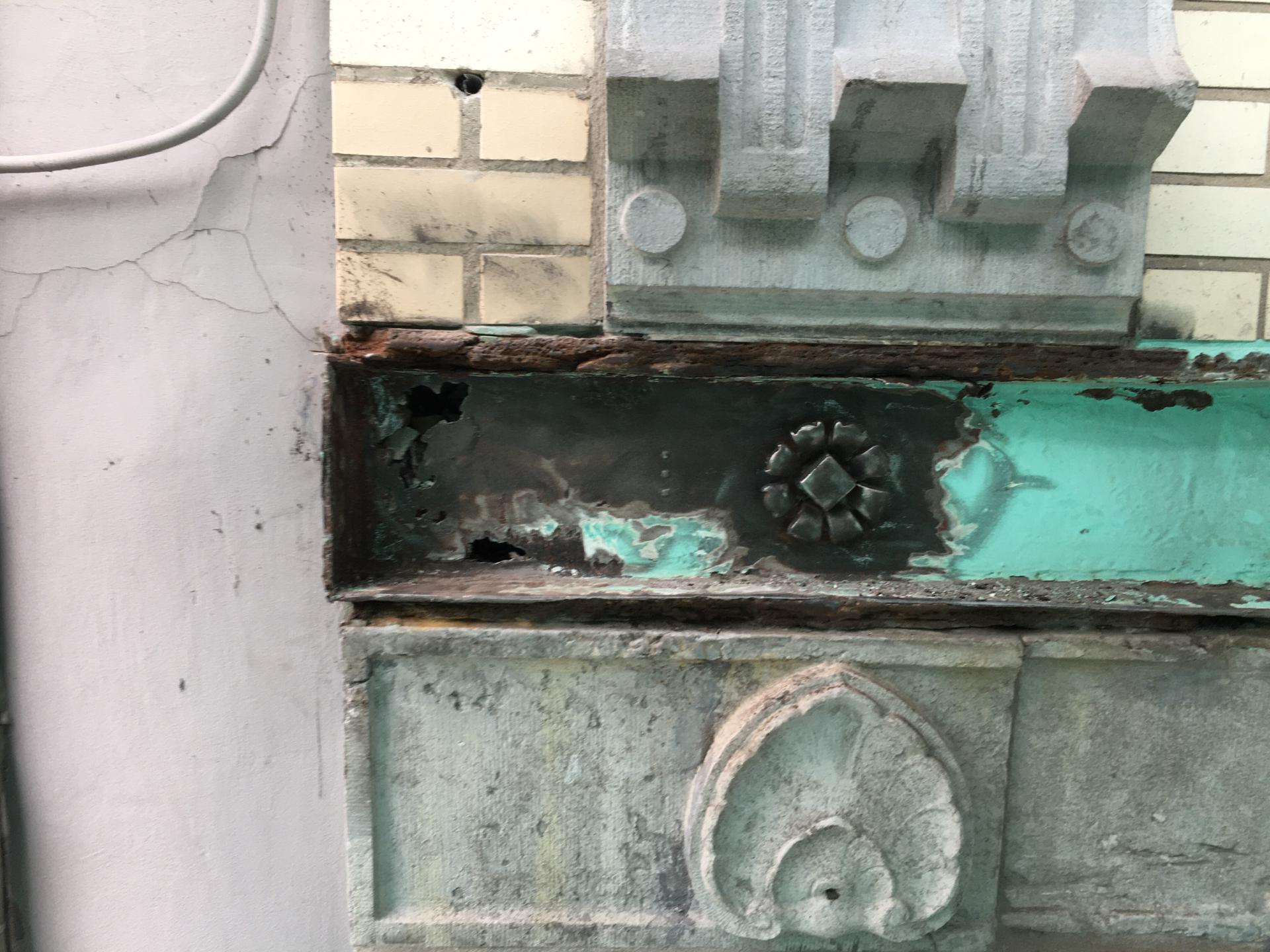
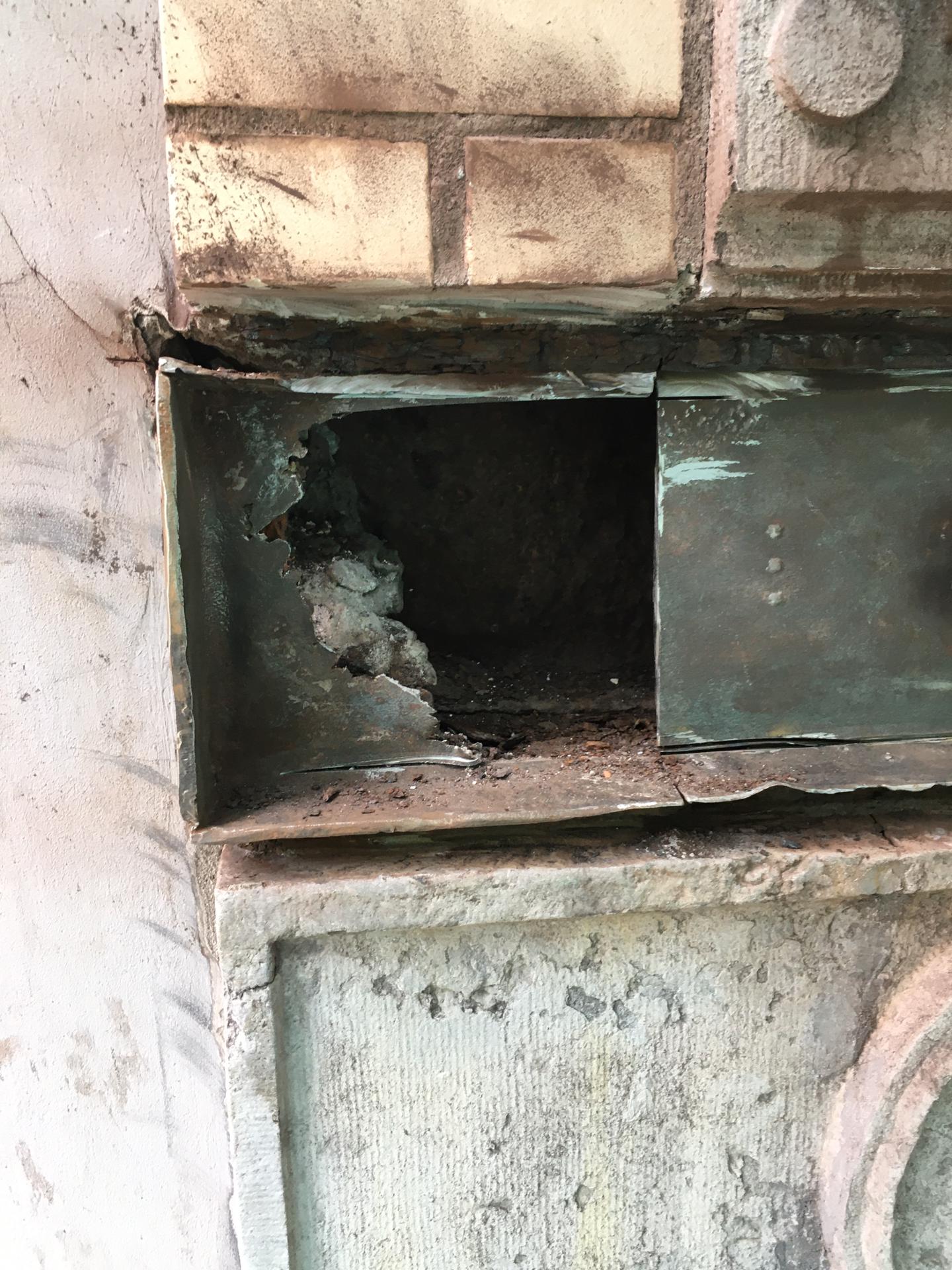
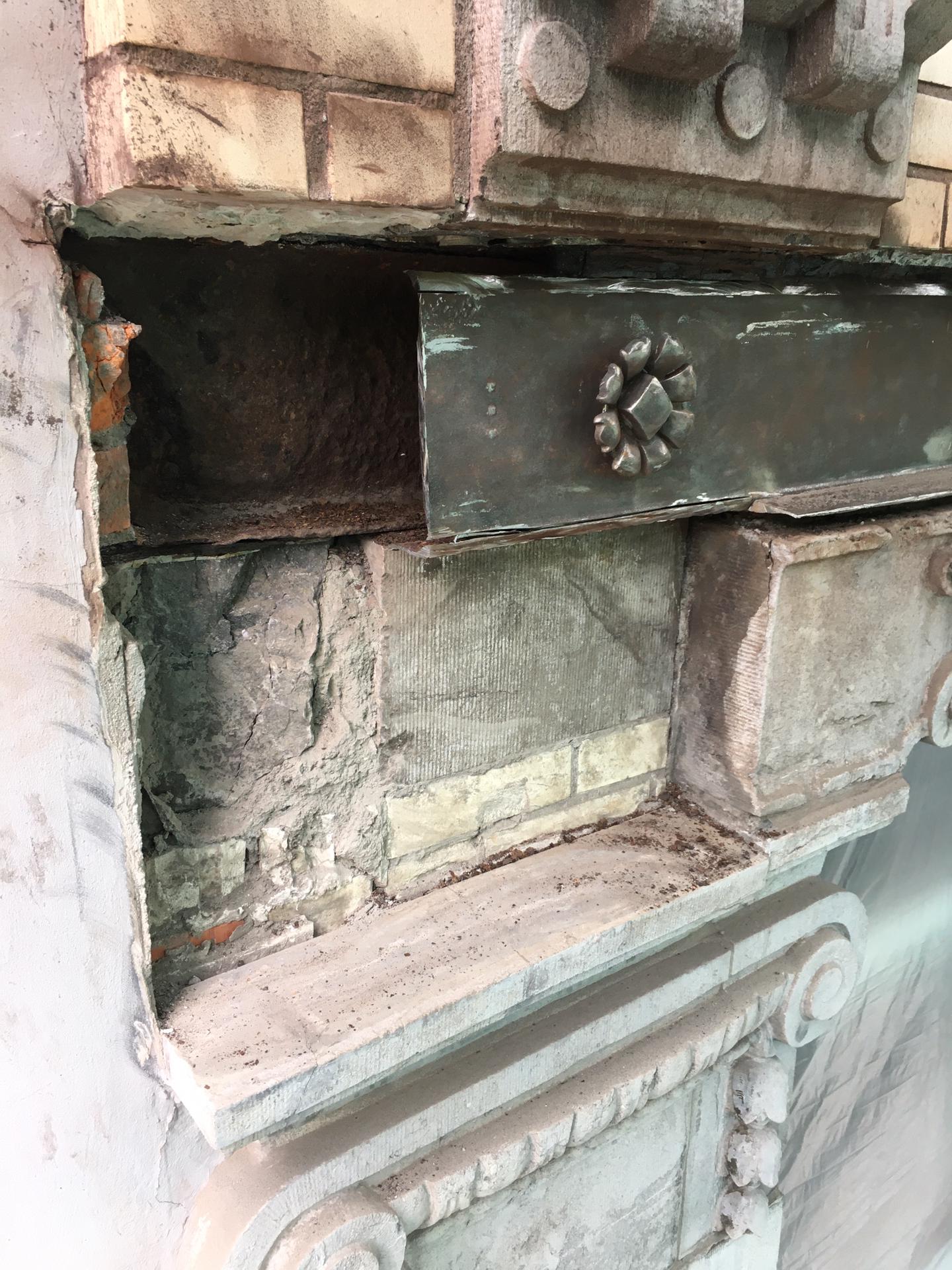
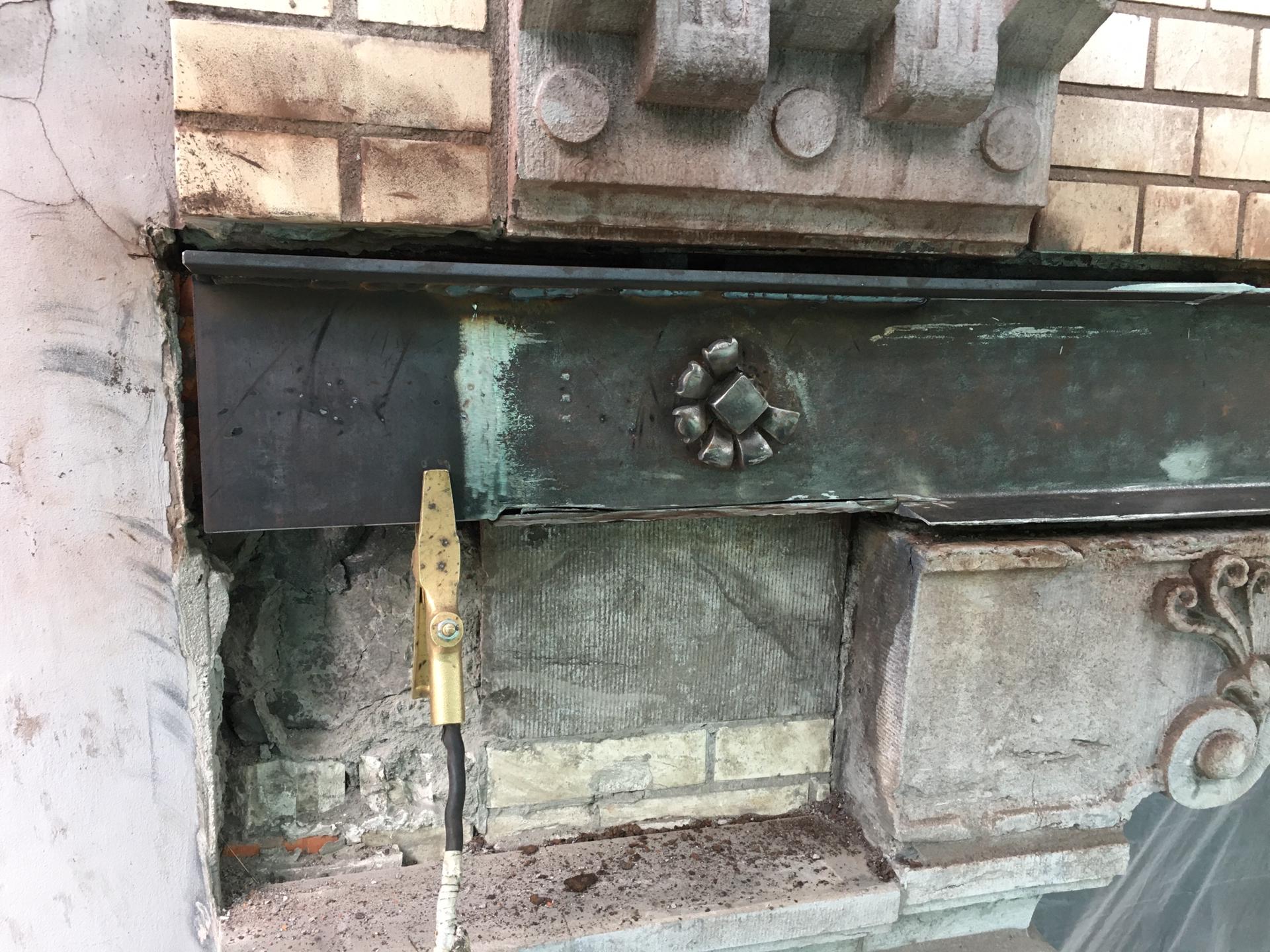
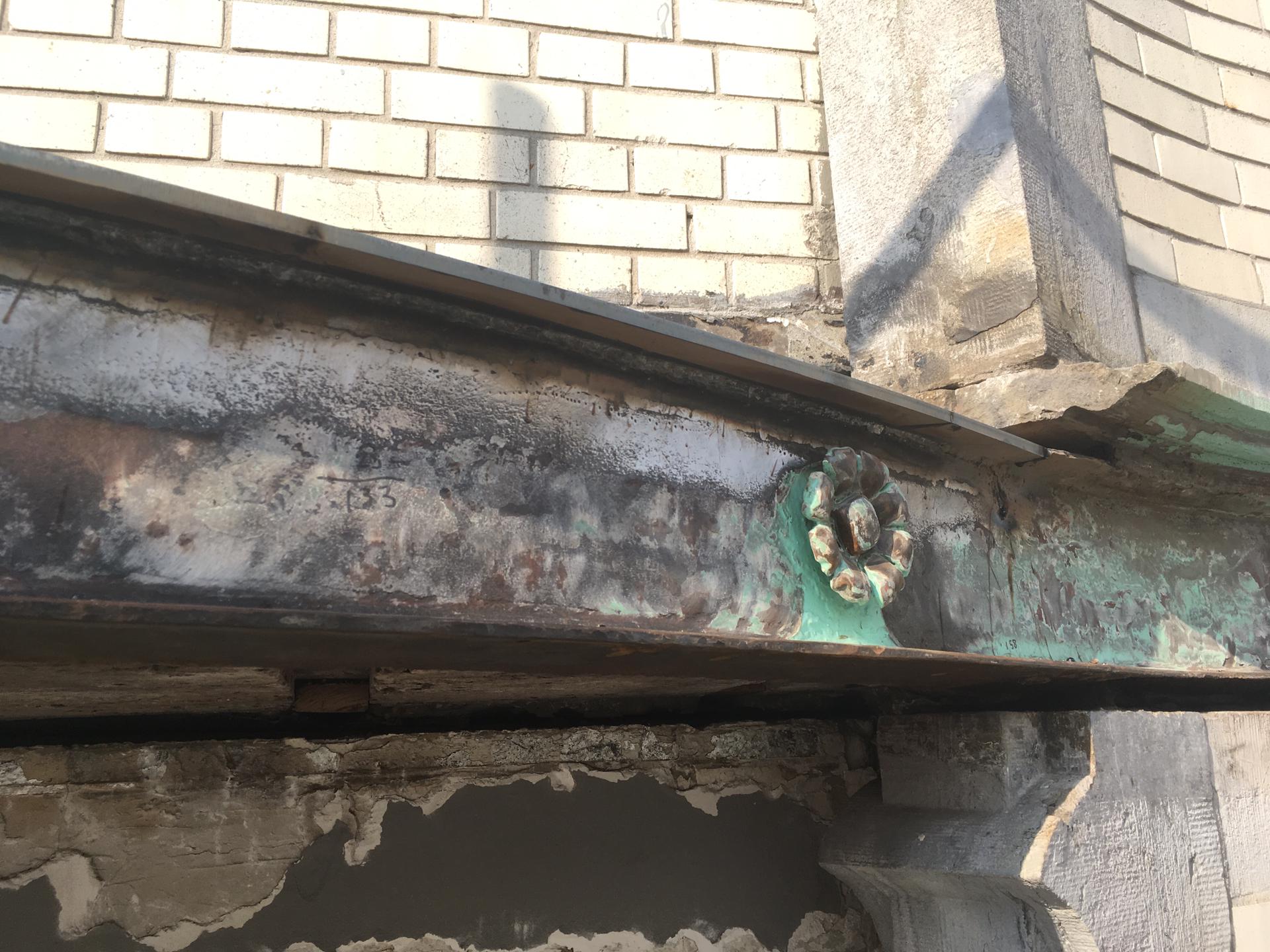
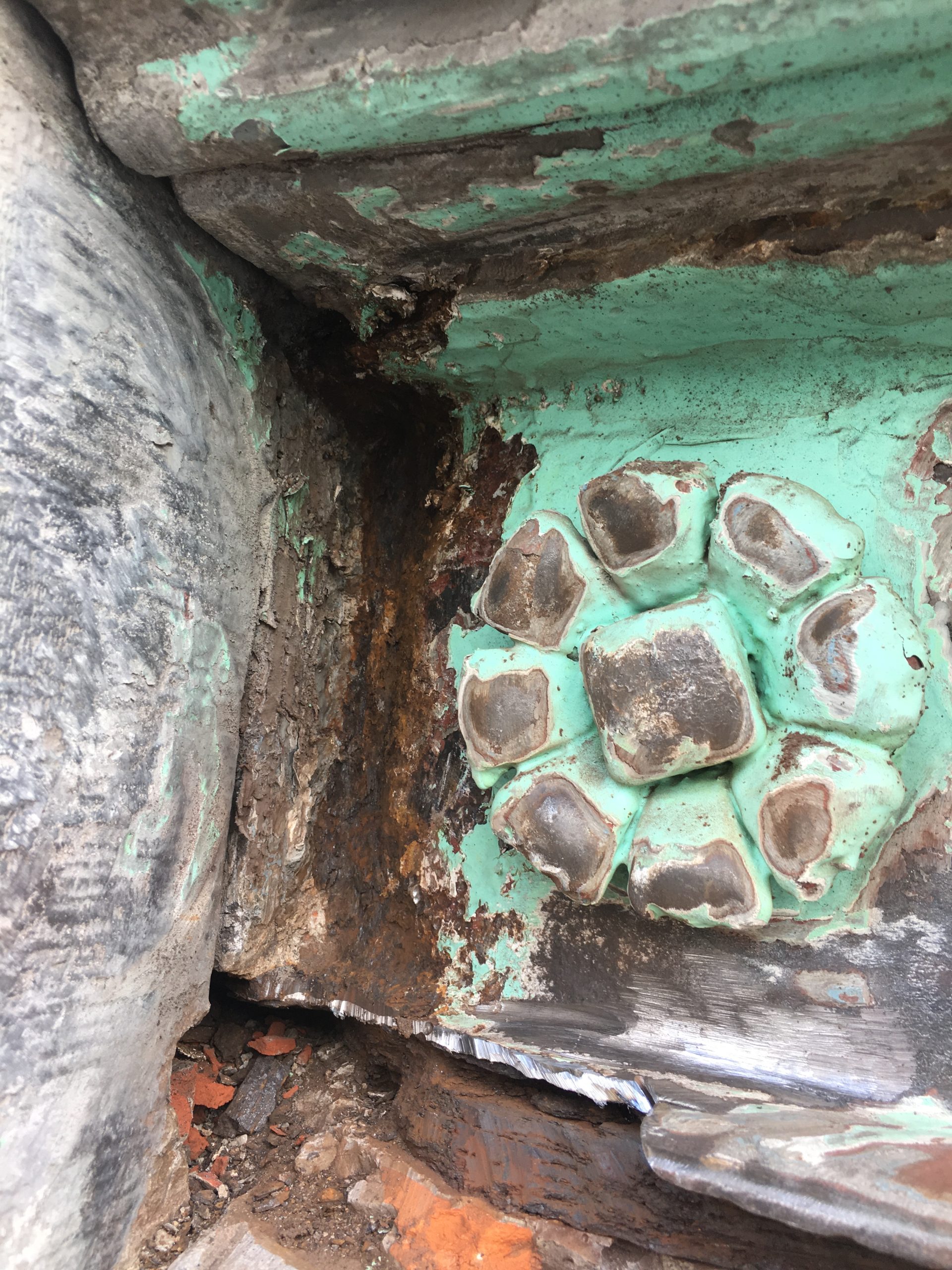
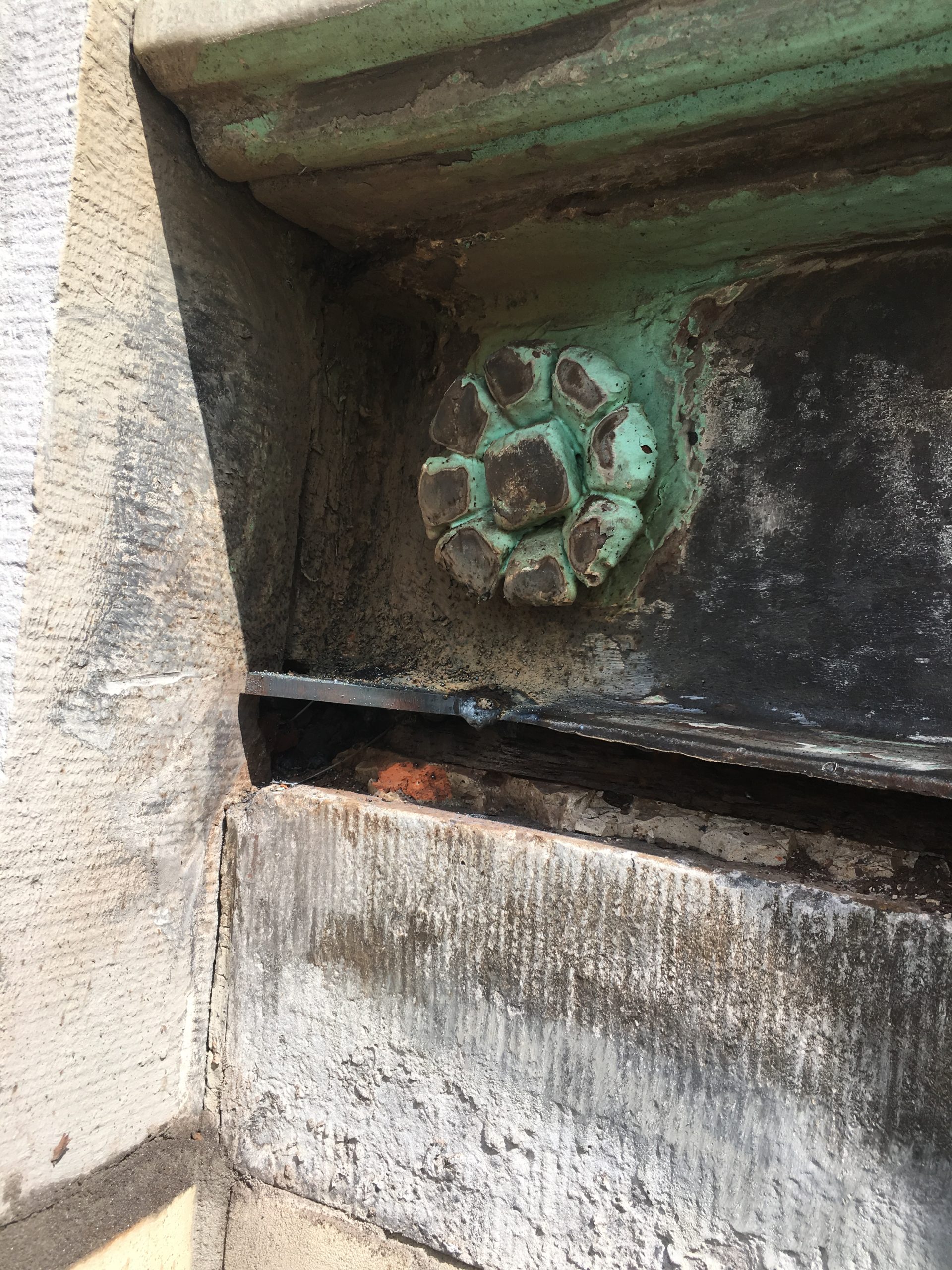
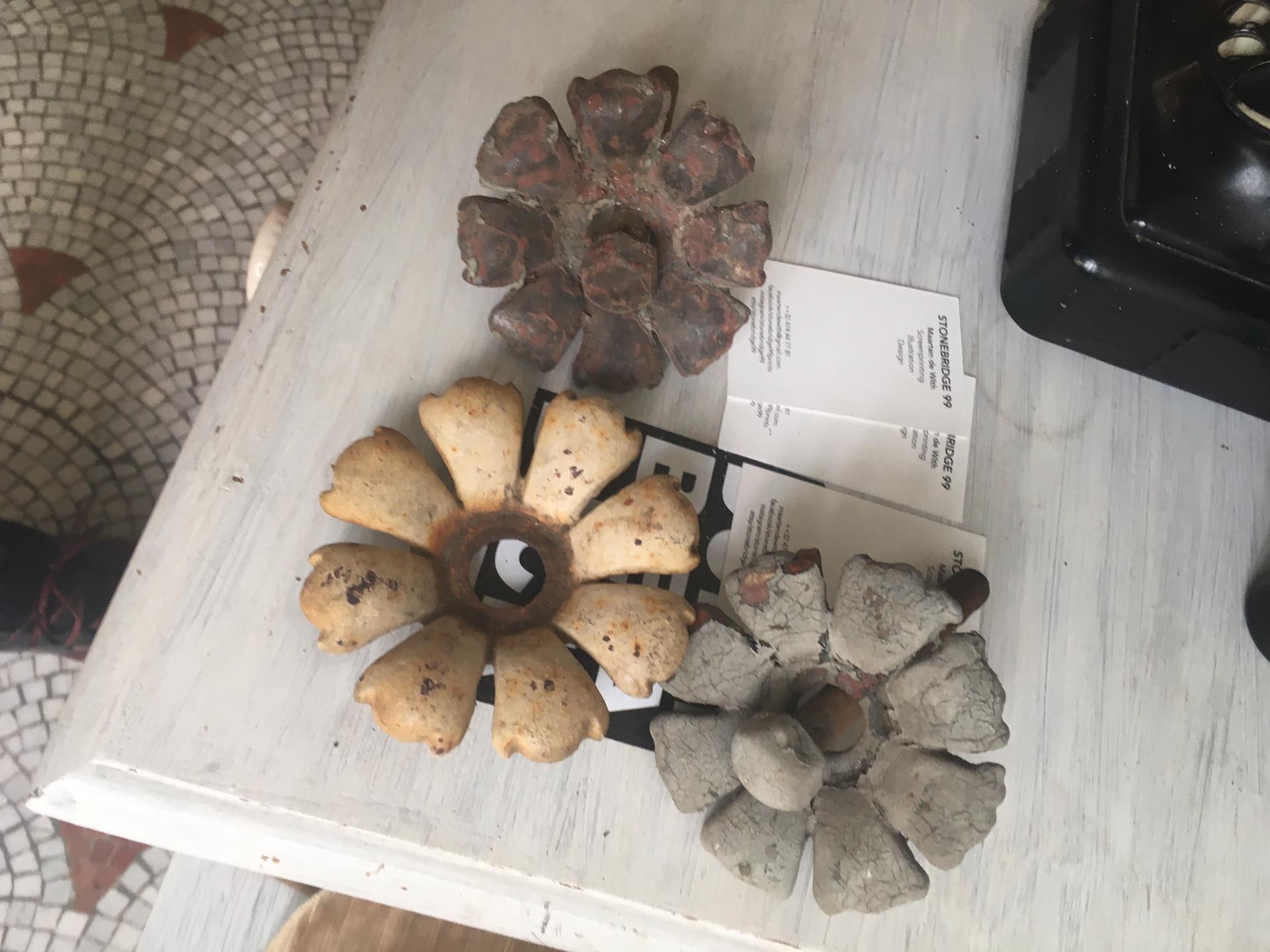
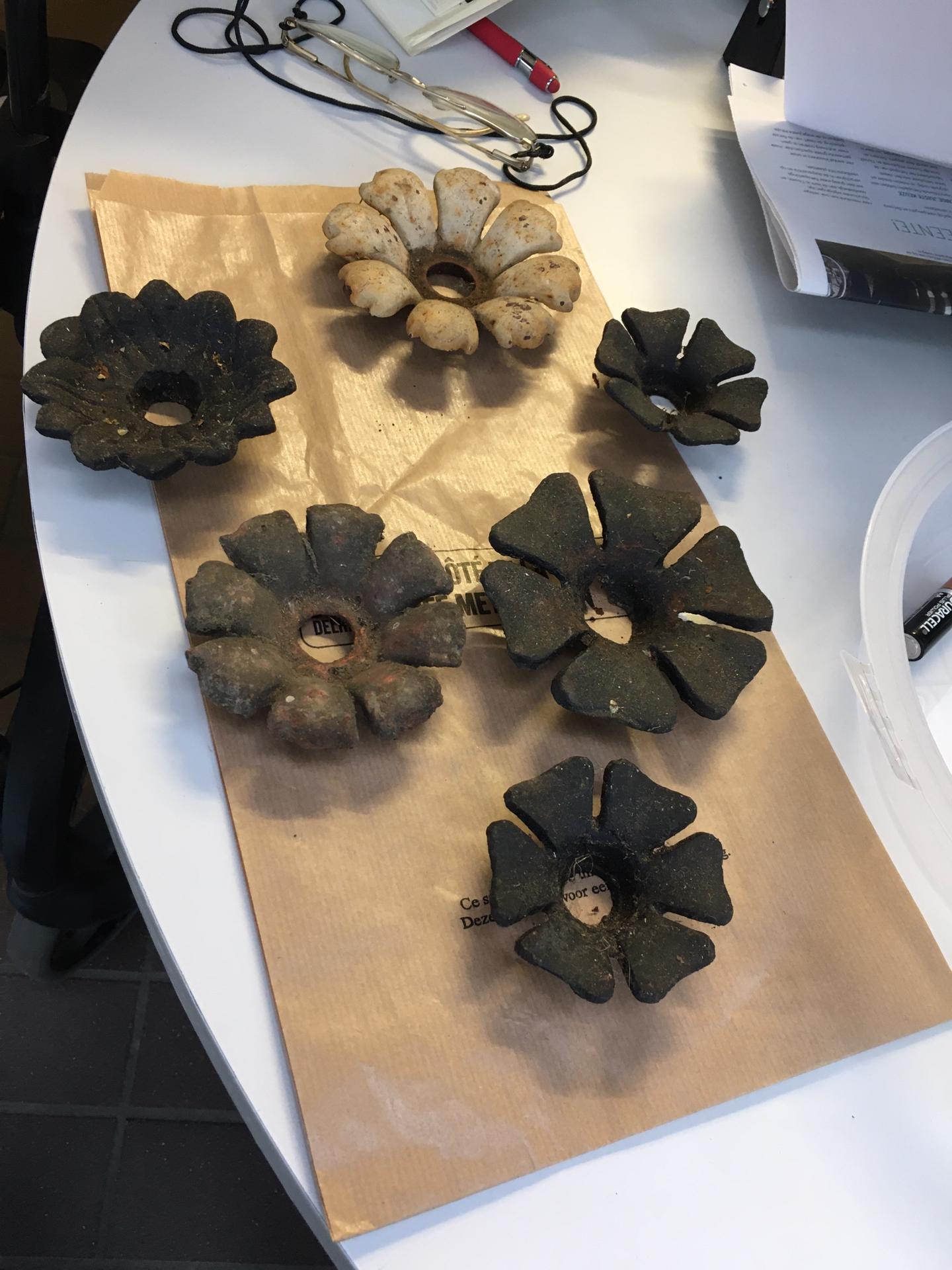
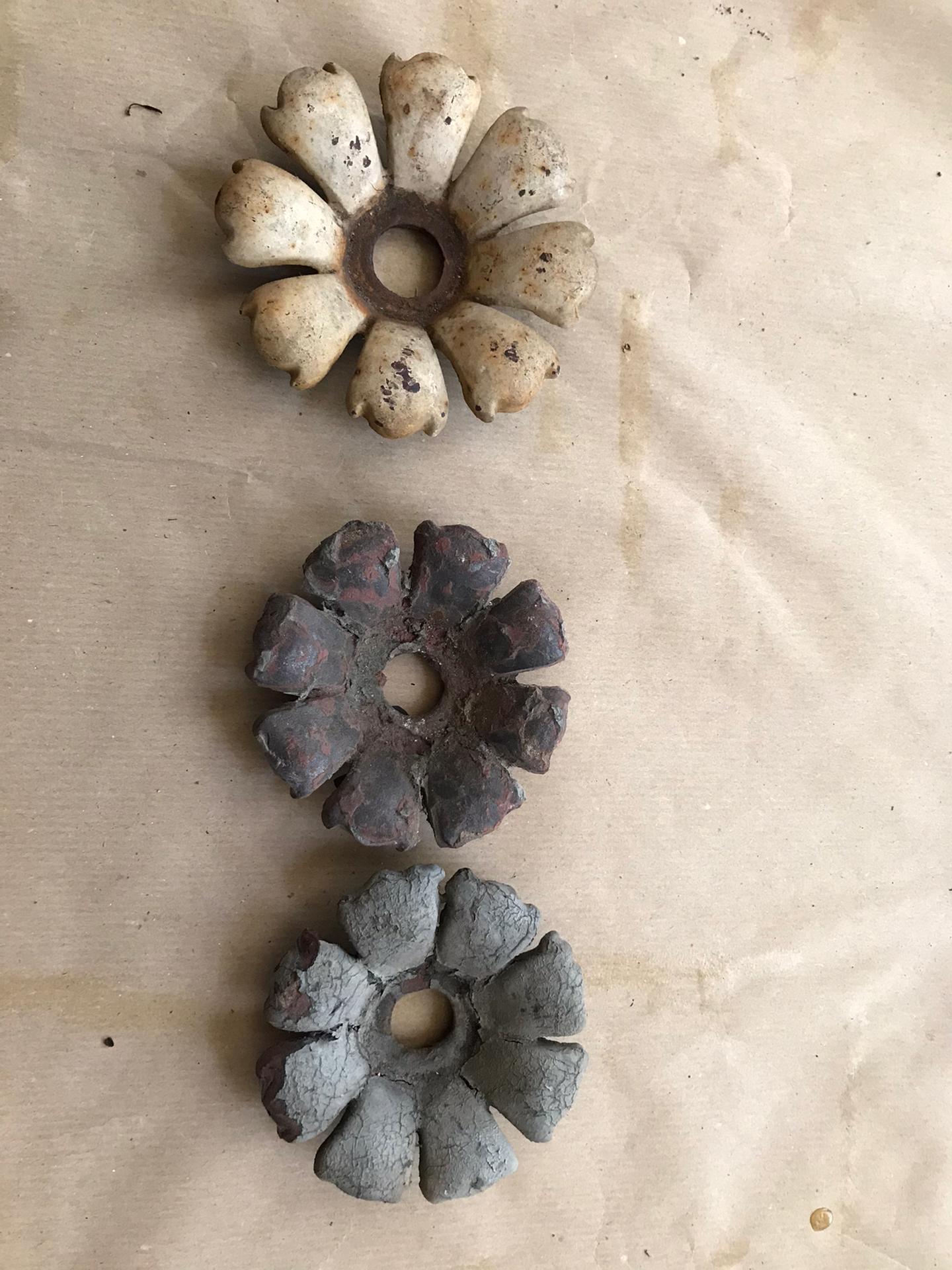
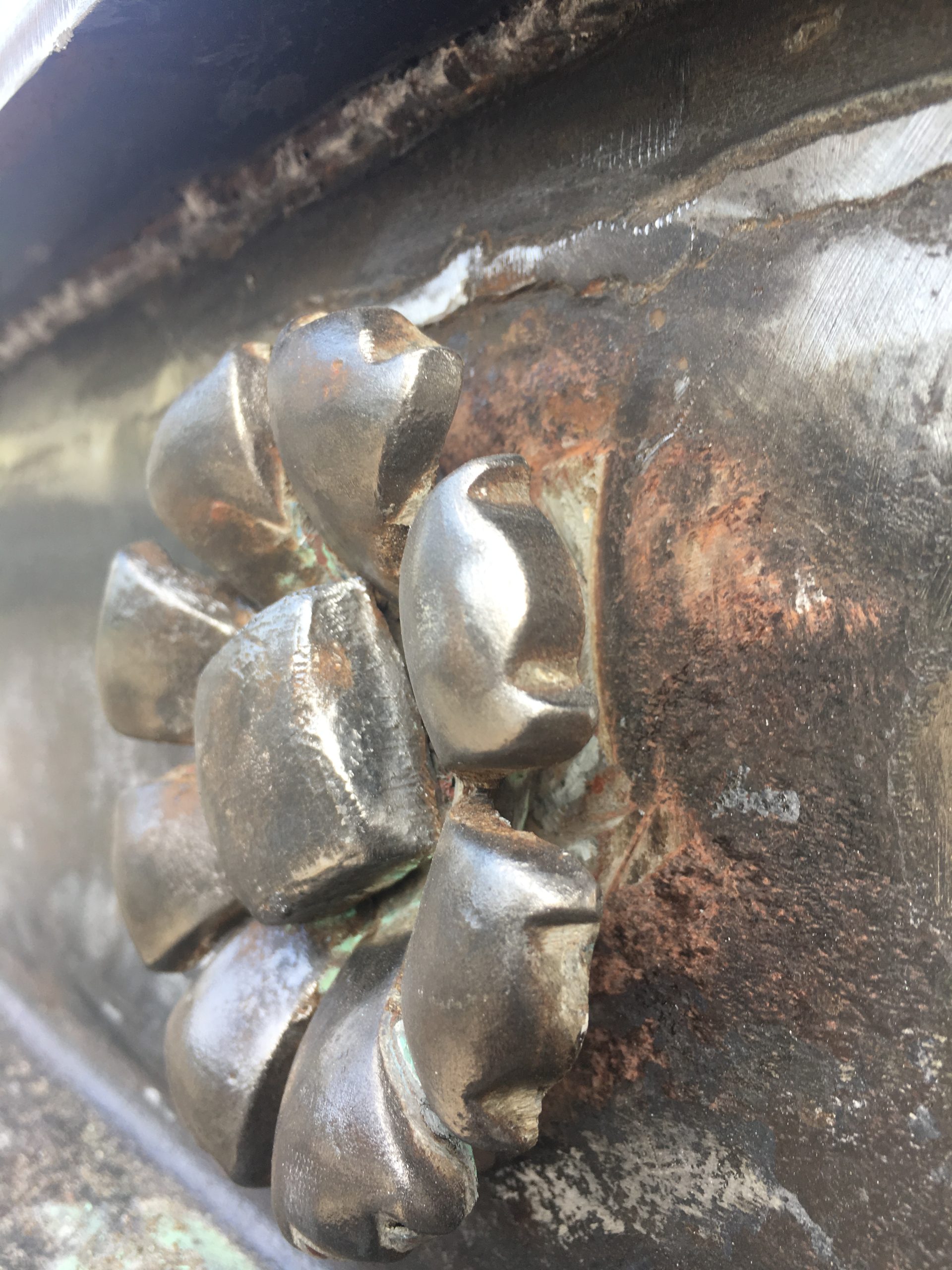
Steel is not always hidden. In Art Deco facades it is often deliberately exposed forming elegant frames, railings, lintels, and structural lines that define the rhythem of the facade. Rather than competing with ornament, steel provides a refined backbone: a precise, slender structure onto which cast elements, such as floral motifs are mounted, creating contrast between strenght and ornament, geometry and organic form. Steel is used with restraint and craftsmanship, balancing visibility and function, always in dialogue with the original architecture. exposed steel elements in Art Deco facades structural frames and refined metalwork integration with cast iron ornaments collaboration with specialized metalworkers when required
Cast iron
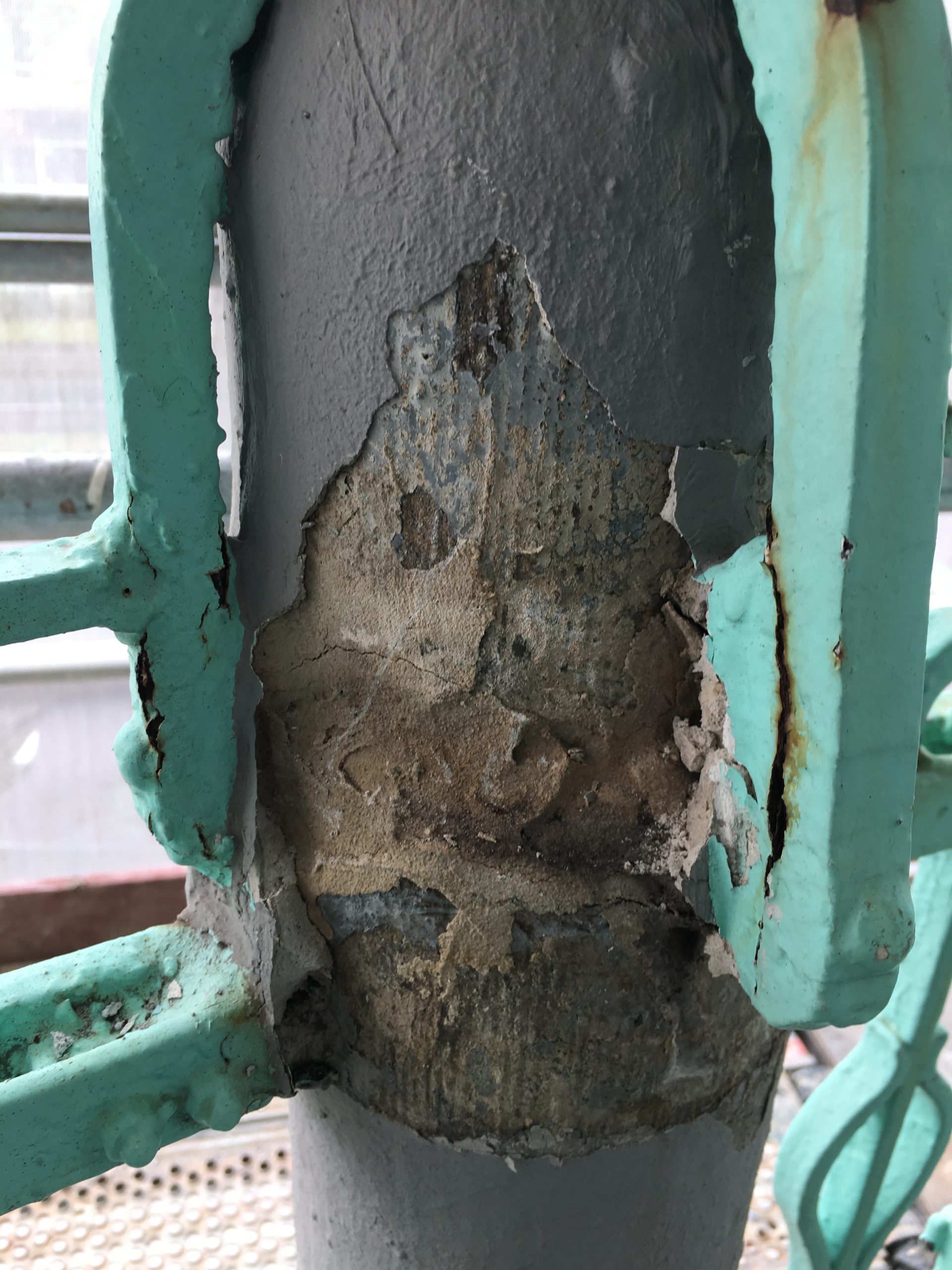
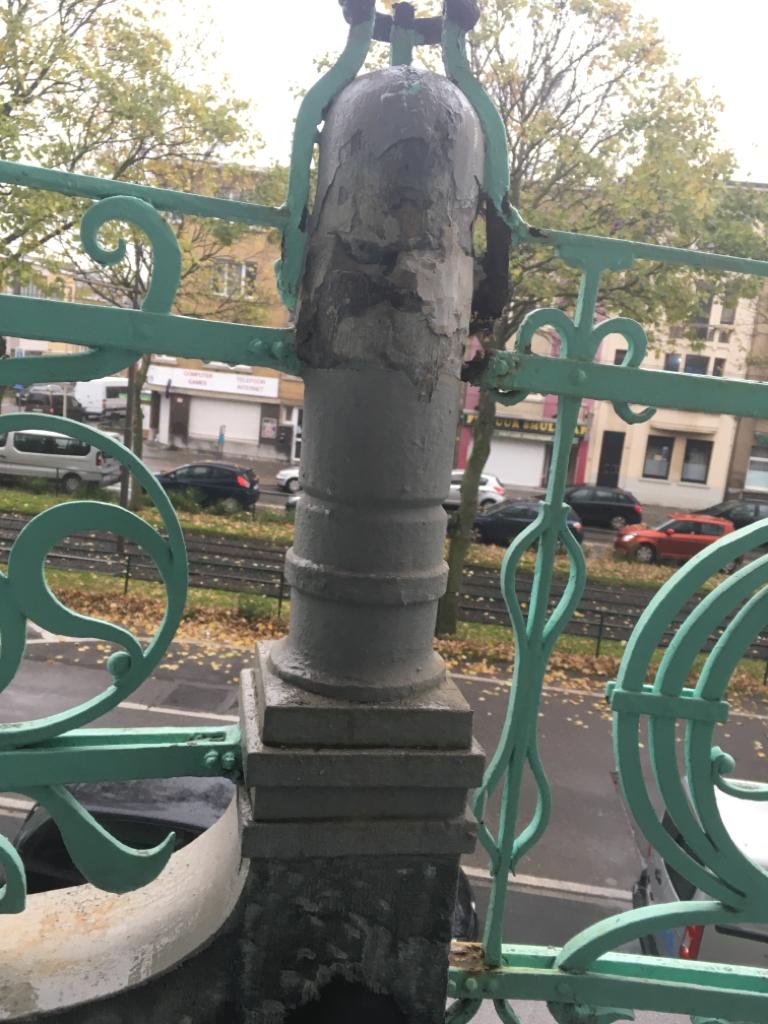
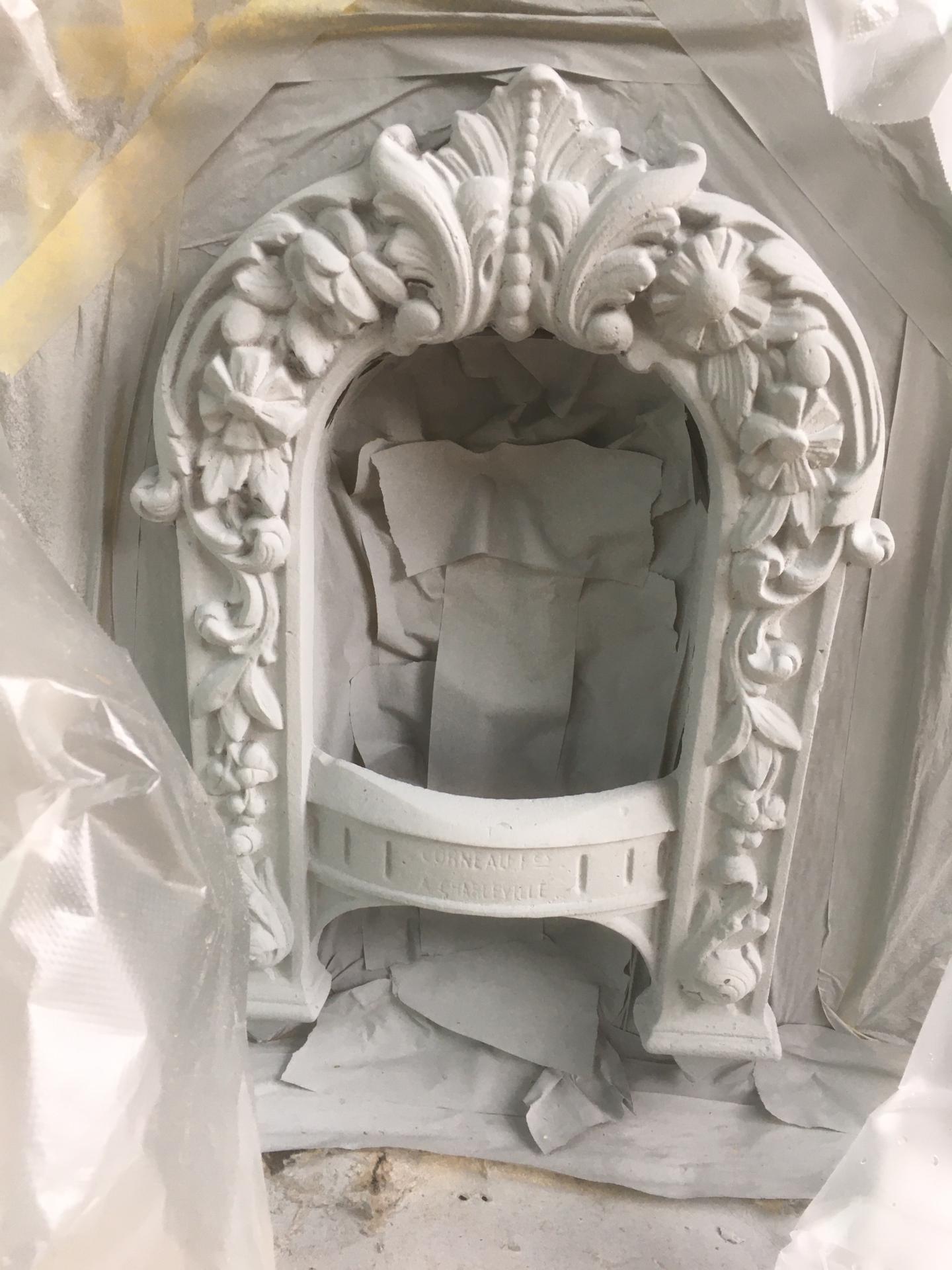
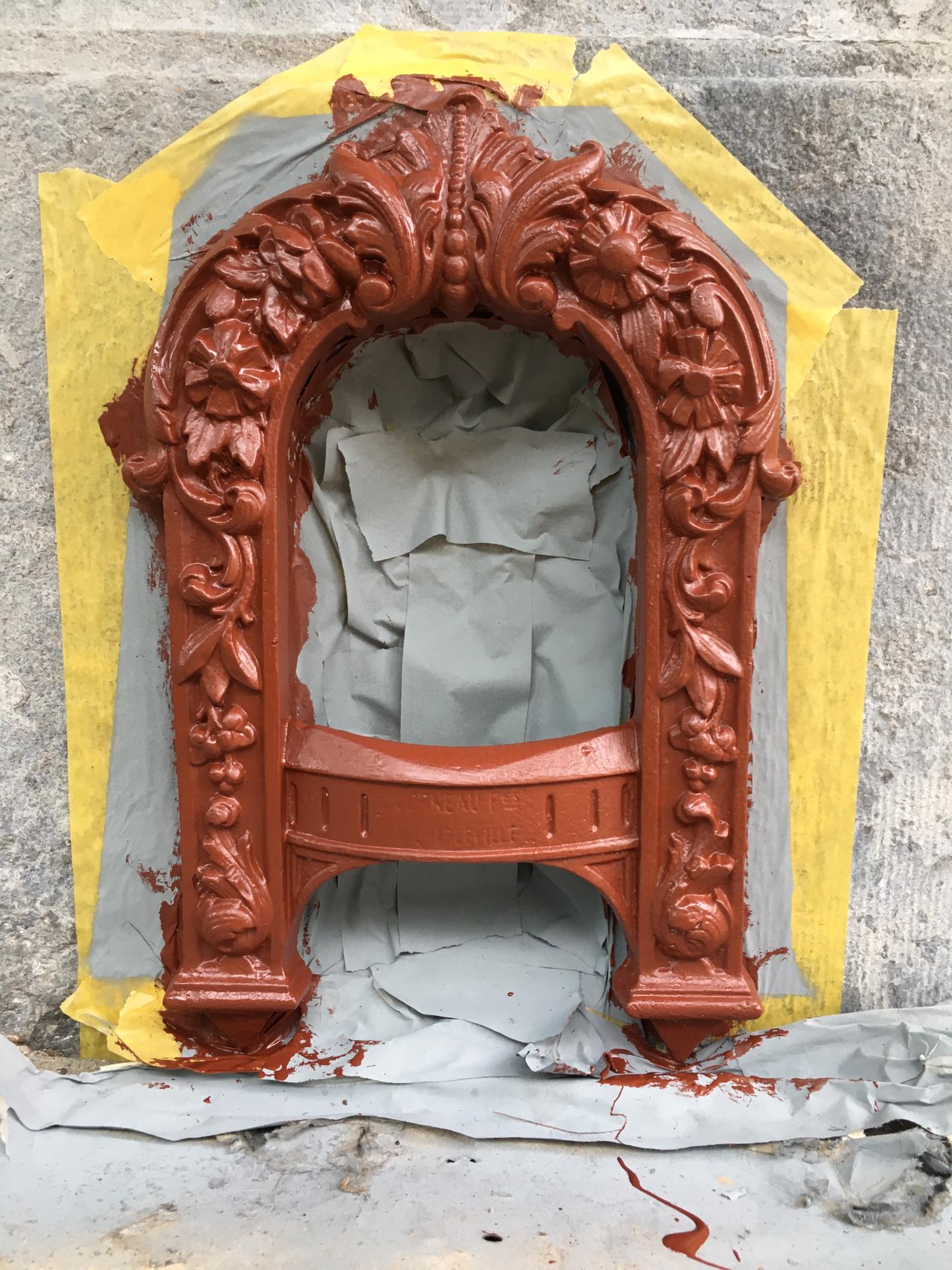
Cast iron is one of the most expensive materials in historic facades. In Art Deco architecure it appaers in balconies, railings, decorative panels and ornamental details. Its strenght allows for finely detailed casting, while its visual weight adds character and depth to the facade. Restoration requires careful assessment: cracks, corrosion and missing elements must be treated with respect for the original casting techniques. Where necessary, damaged parts are repaired or accurately reproduced to preserve both structure and expression.
Wrought iron
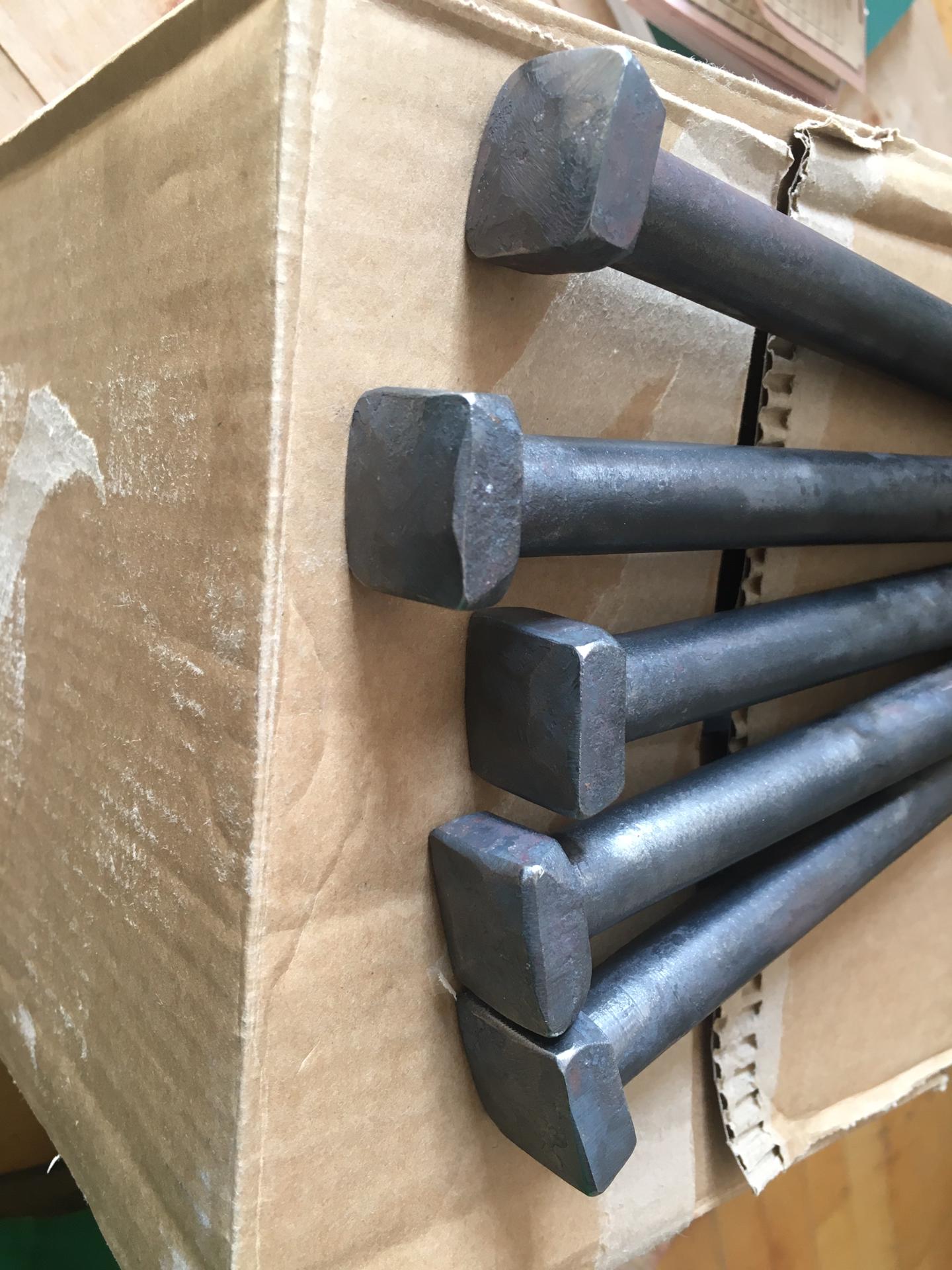
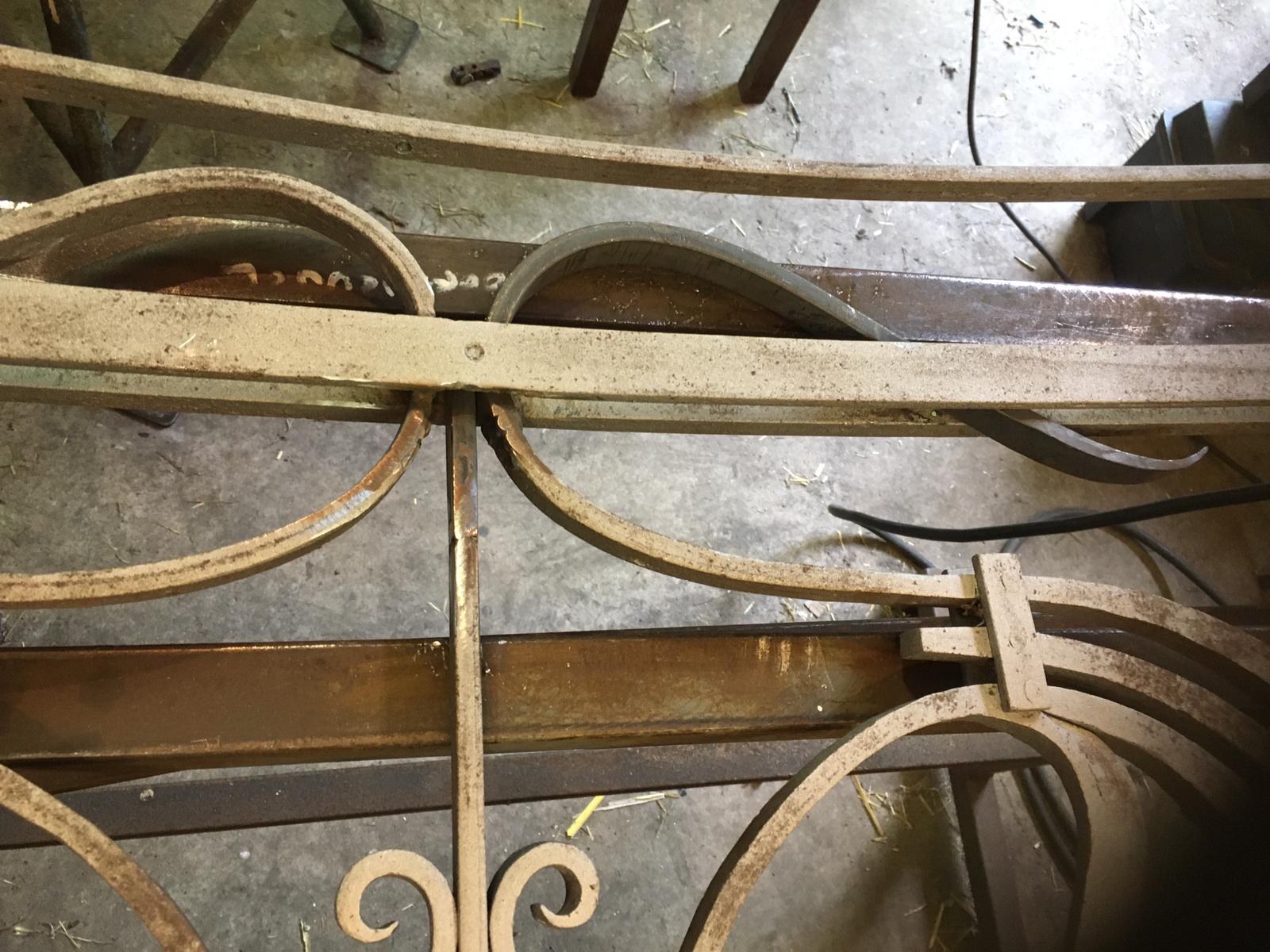
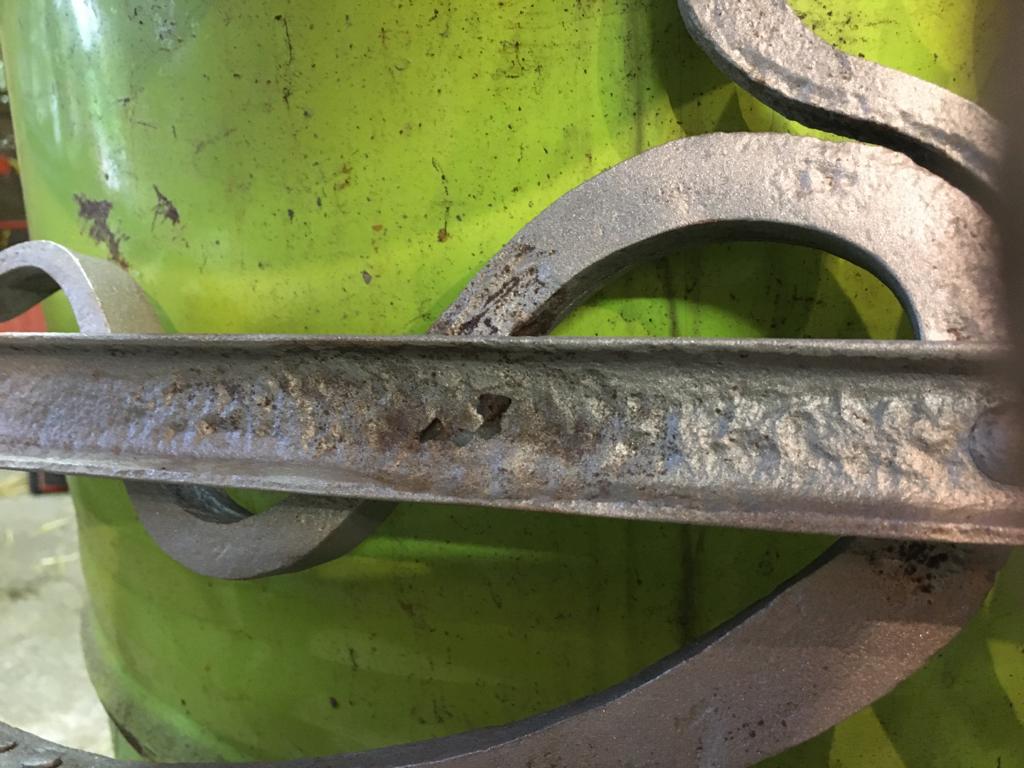
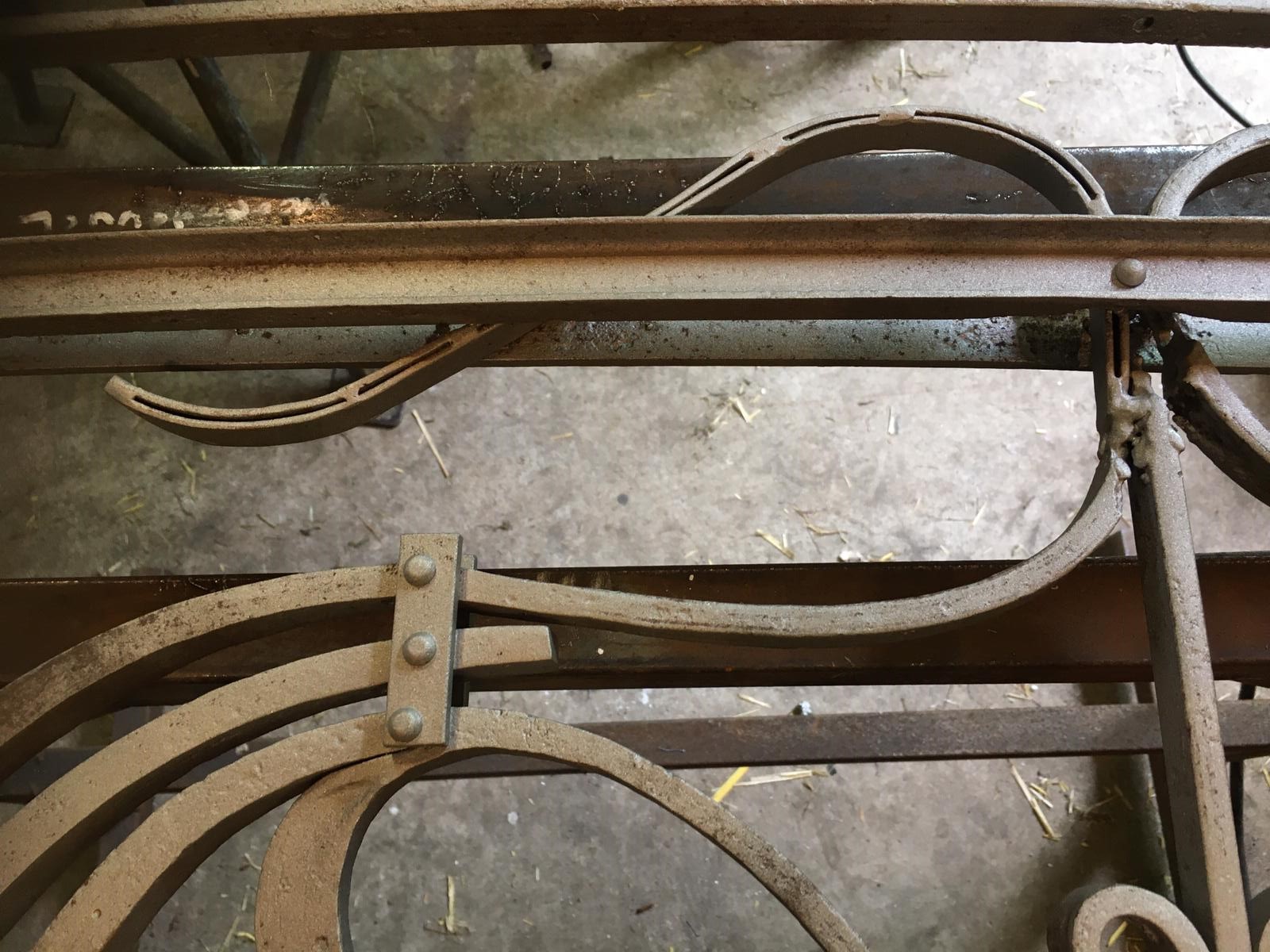
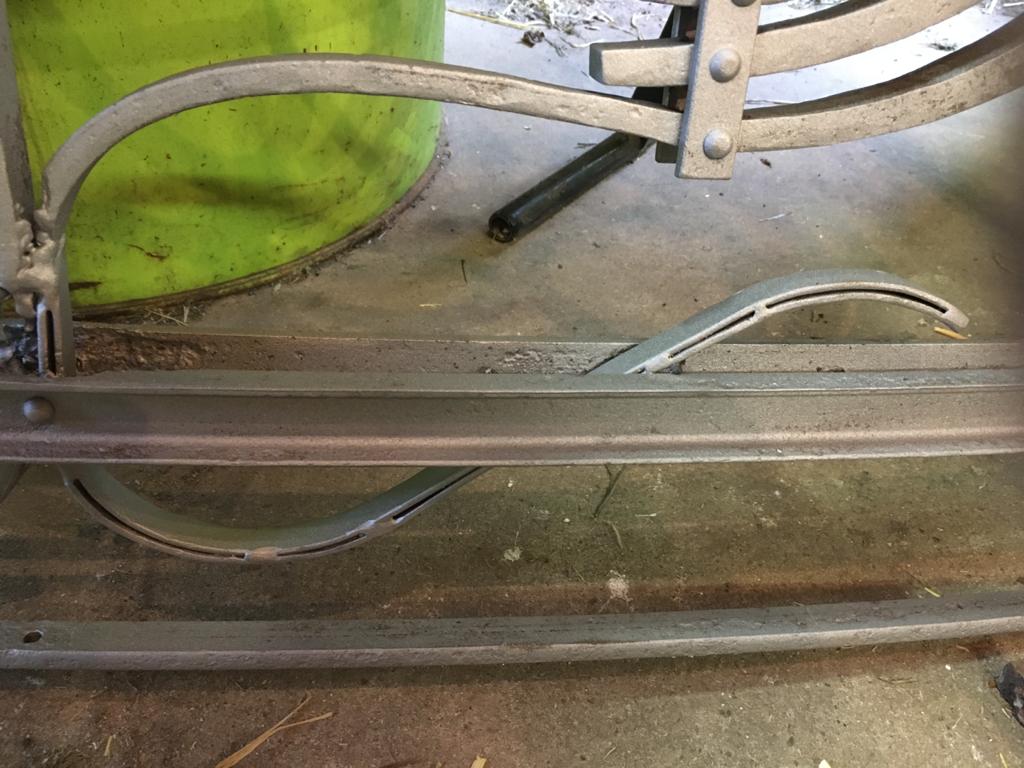
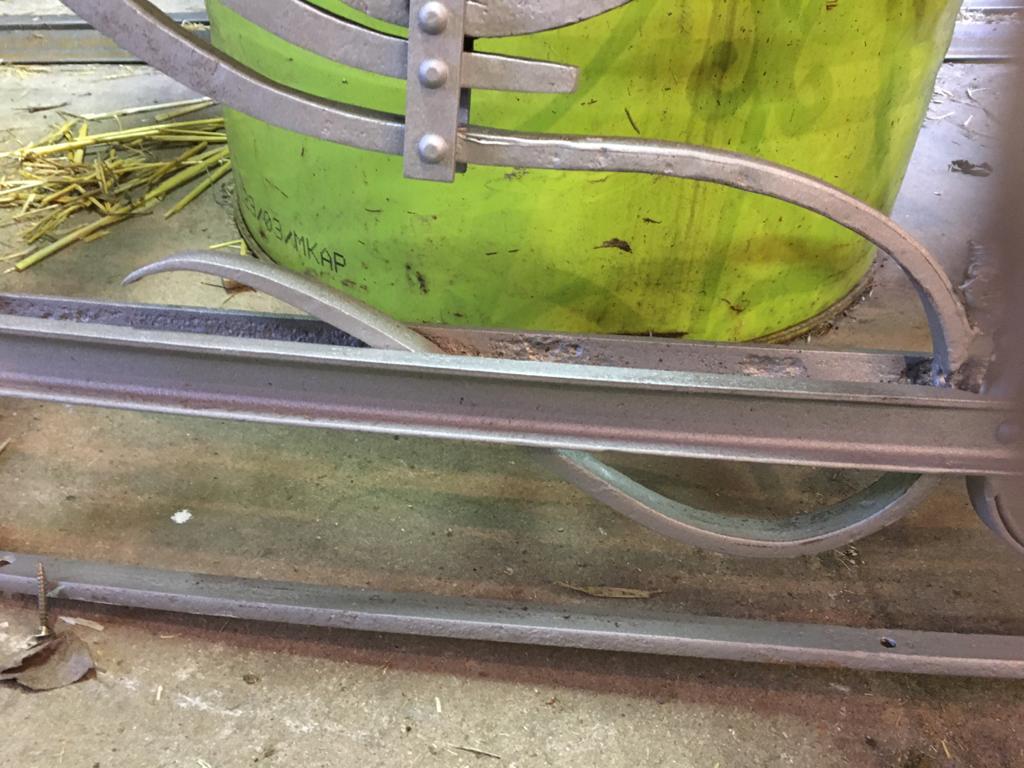
Wrought iron is defined by craftsmanship. Unlike cast iron, it is shaped by hand, bent, hammered and often riveted or bolted into unique forms. It is commonly found in railings, window guards, gates and smaller decorative elements. Each piece carries subtle irregularities that give it life and authenticity. Not every anti-corrosion treatment is suitable for wrought iron. Hot-dip galvanizing is not recommended due to the high carbon content of the material, which can cause structural stress, deformation and long term damage . And ironically, faster corrosion. Metalizing (thermal spraying of zinc) is the preferred method: zinc is sprayed onto the surface, providing corrosion protection while preserving the integrity and detail of the original ironwork. Restoration focuses on preserving original material wherever possible, repairing joints, removing corrosion with care, and applying protective systems that respect both material and craftmanship.
glass
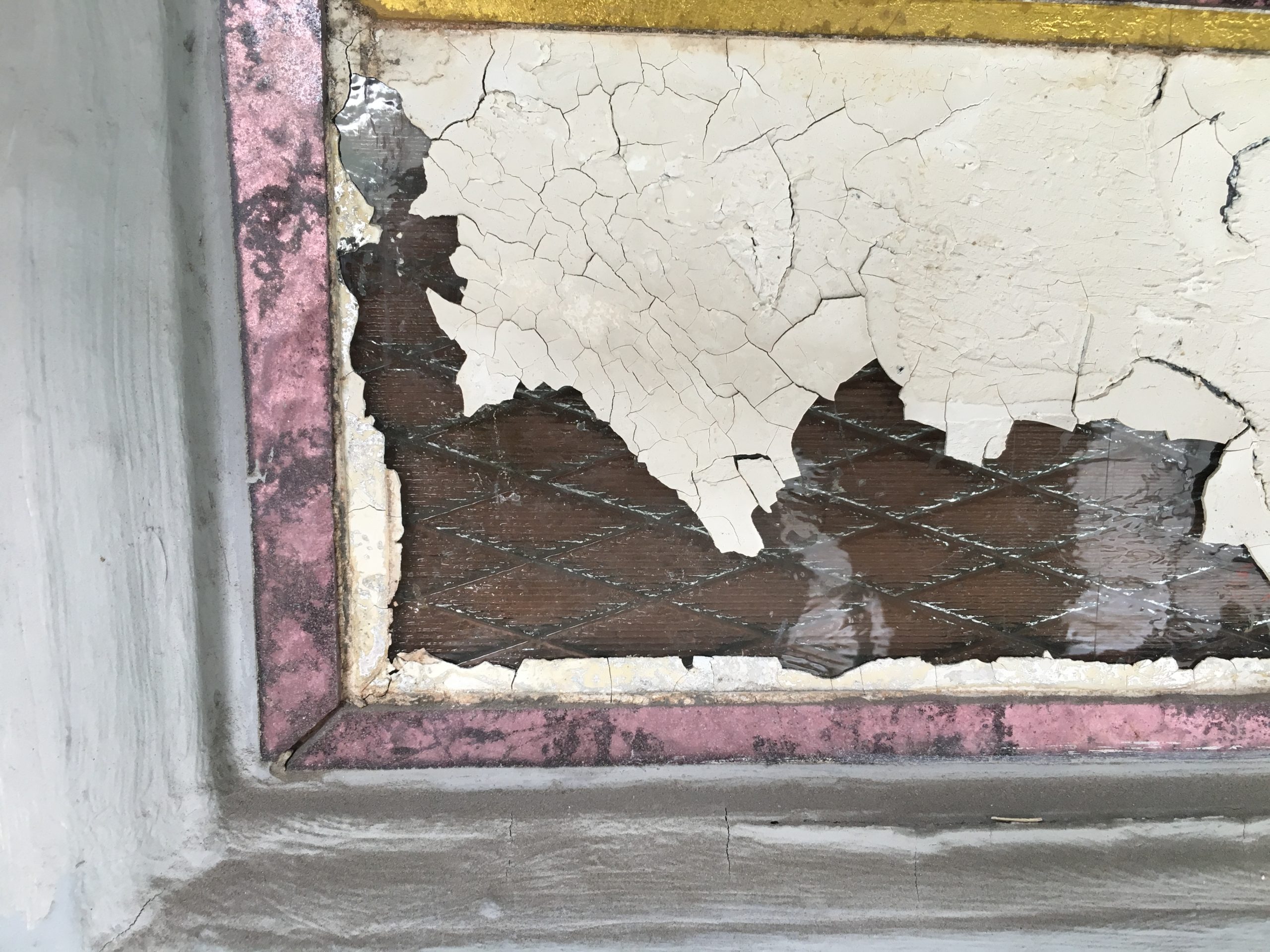
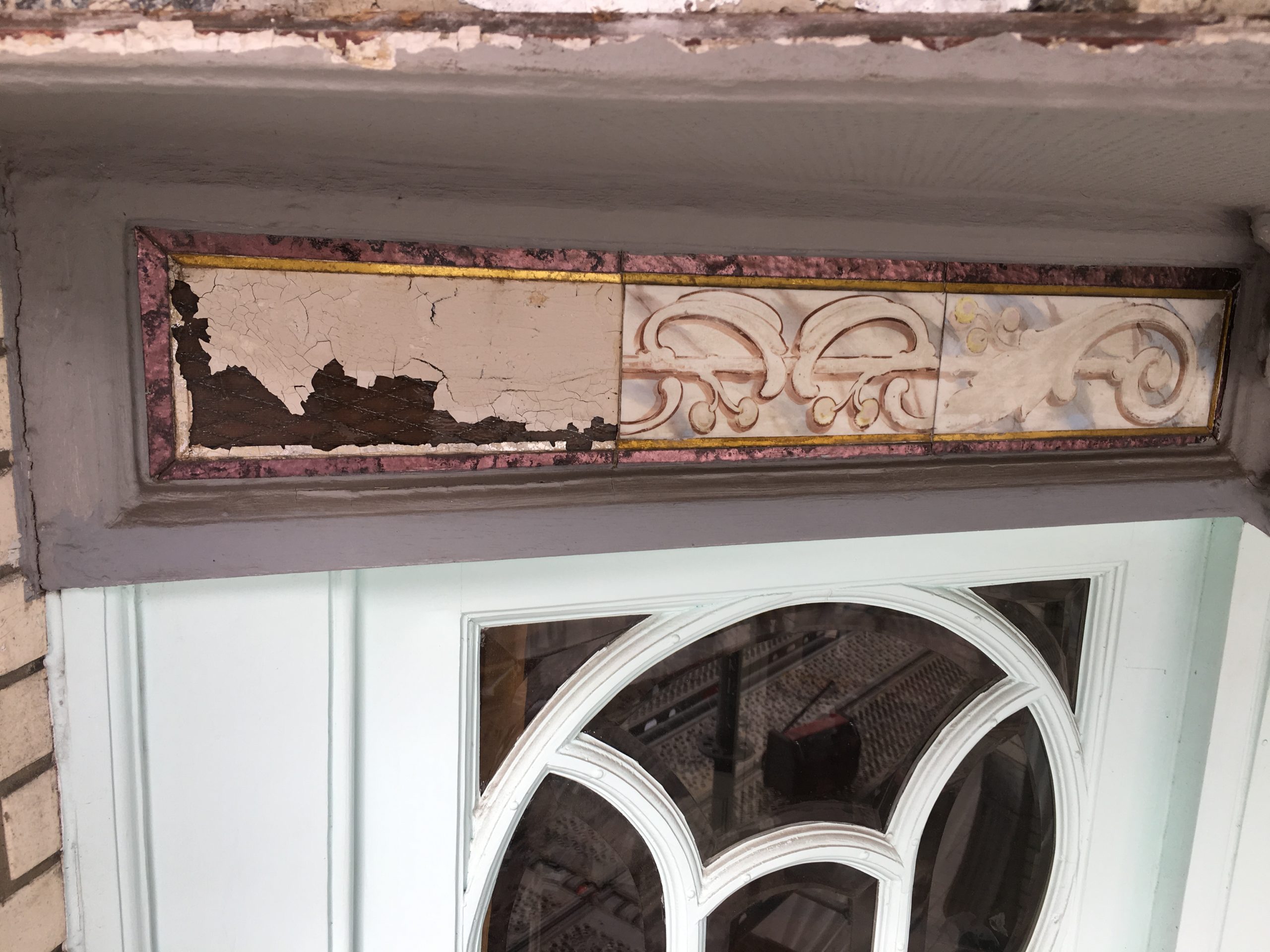
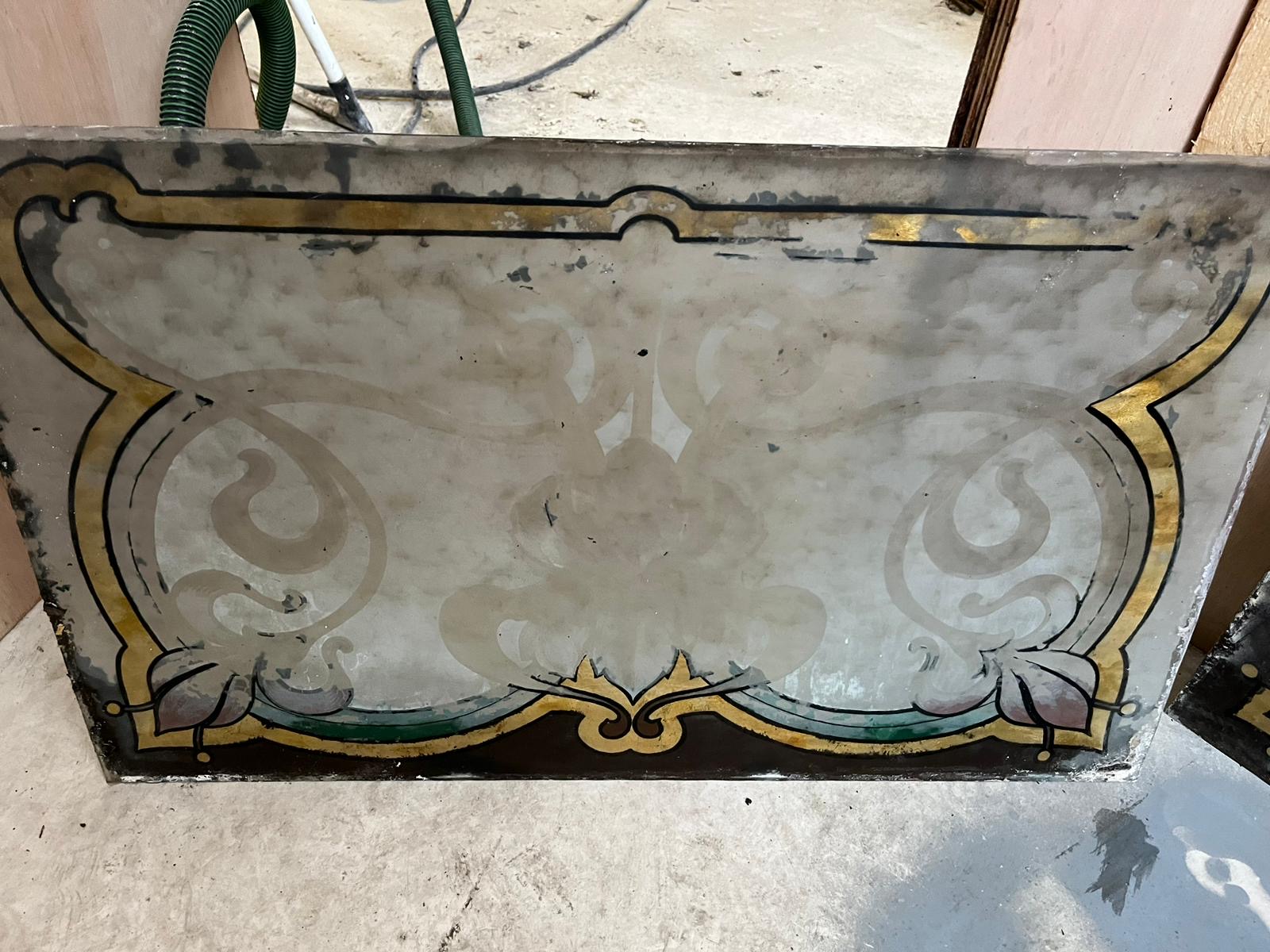
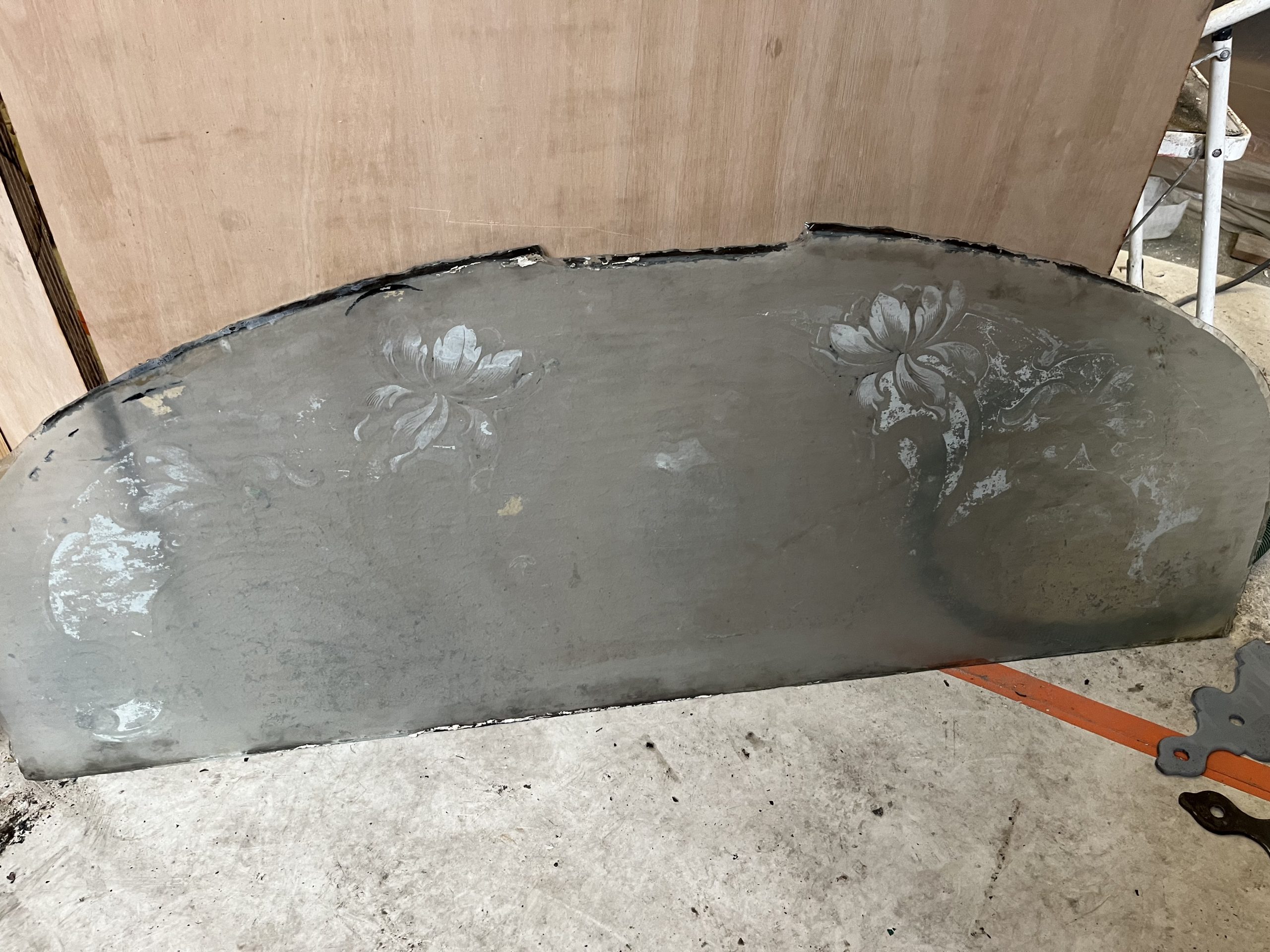
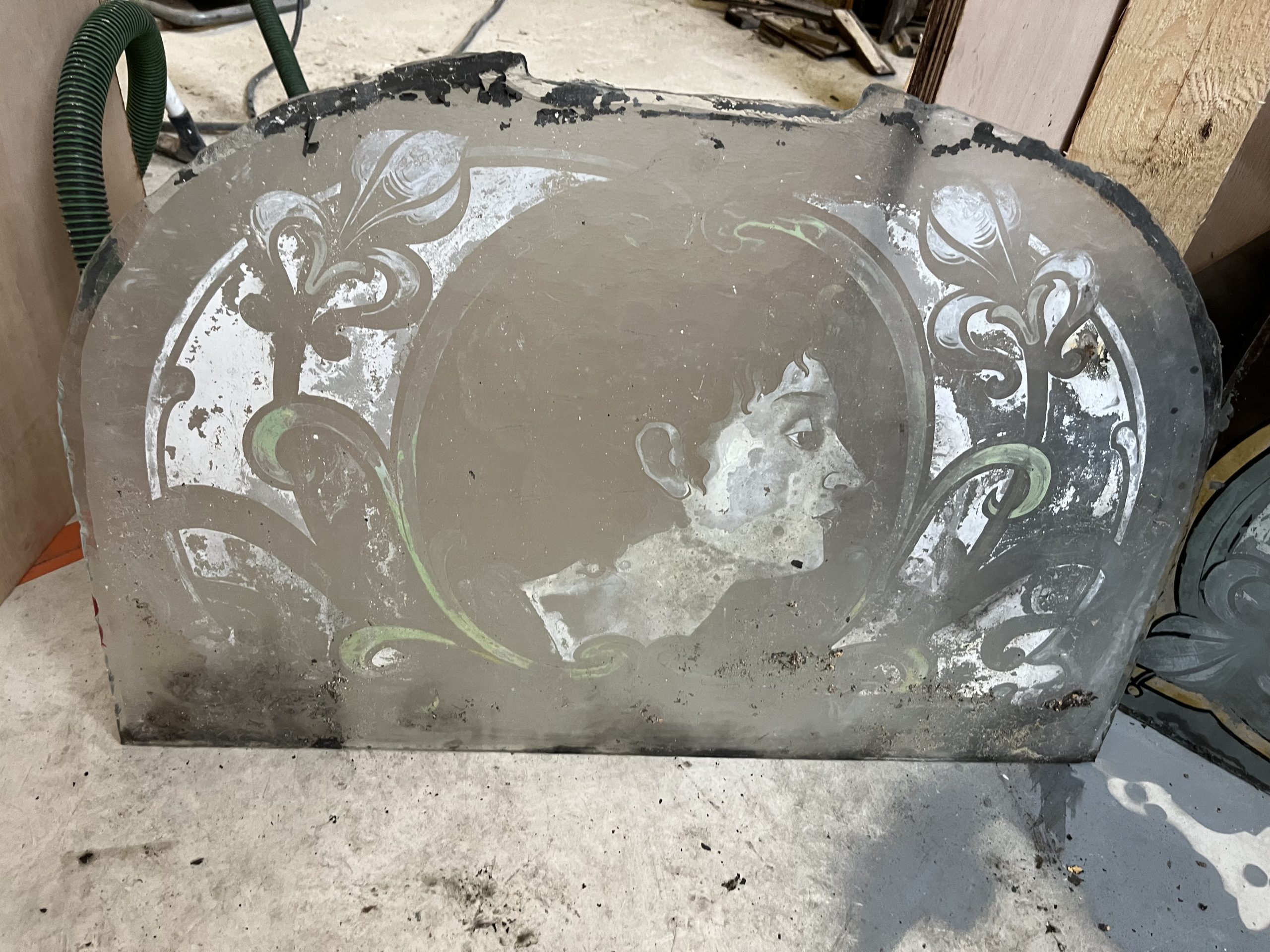
Glass plays a quieter but essential role in historic facades. From patterned and textured panels to stained or etched-glass, it contributes to light, rhythem and atmosphere. In Art Deco facades, glass often complements metal and stone elements, enhancing contrast and refinement. Restoration involves carefull cleaning, repair or replacement with glass that matches the original in thickness, texture and appearance, ensuring visual continuity and respect for the original design.