A thoughtful hands-on approach
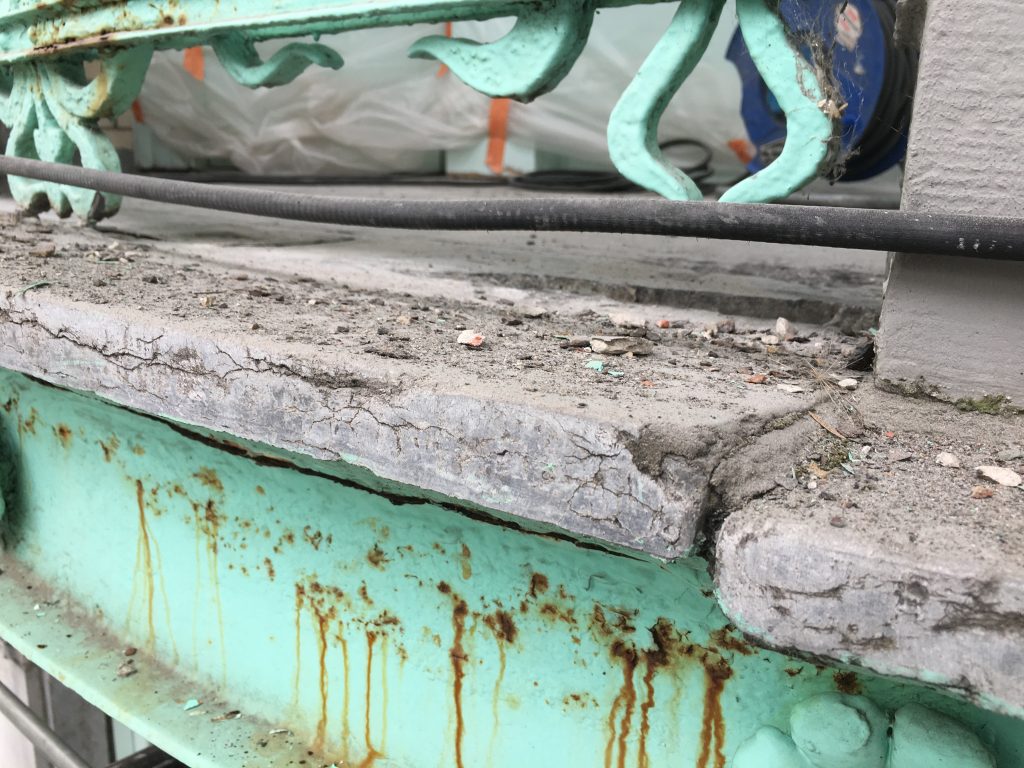
I start by understanding the building as it is, its materials, its structure, and the traces of time it carries. Every decision follows from that first reading, with respect for what can be preserved and care where intervention is truly needed.
Why small protected buildings deserve serious restoration:
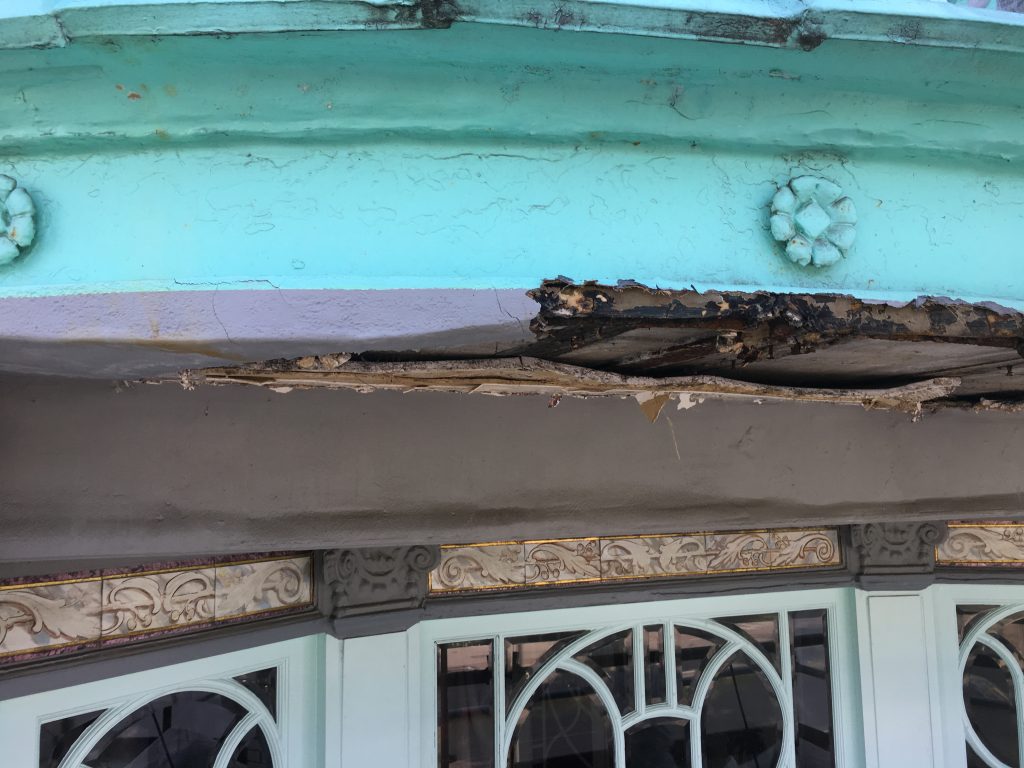
Small privatly owned protected buildings are often underestimated.
Because of their limited scale, they are frequently approached as “minor works” and entrusted to people who lack the specific knowledge for historic materials and construction methods.
In practice, this leads to inapproprate interventions: modern mortars on historic masonry, incorrect moisture solutions, incompatible repairs that seem acceptable at first but cause long-term damage.
Ironically, these projects often make use of public subsidies. Not out of bad intentions, but because the initial execution fails to respect the technical and historical context of the building. The result is a cycle of repair after repair – a form of treating the symptoms instead of the cause.
Small protected facades are no less valuable than larger monuments. They deserve the same level of understanding, preparation and craftsmanship. Doing the work right first time is not only more sustainable – it’s also the only way to ensure that public resources, private investments and heritage value are respected.
This platform excists to support that moment before intervention: to help owners and professionals make informed decisions, choose appropriate methods, and ensure that even small protected buidlingsreceive the care they deserve.
Diagnosis before intervention
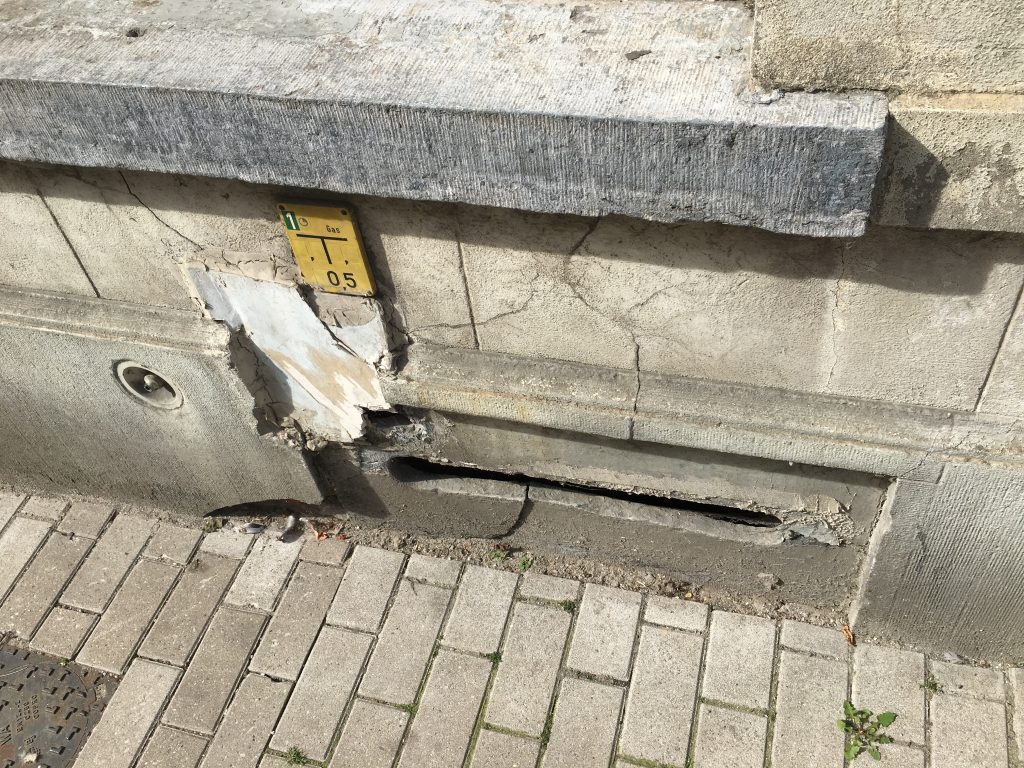
Before any intervention, I carefully identify materials, construction methods, later alterations, and the true causes of decay – not just the visible damage.
Structural Evaluation
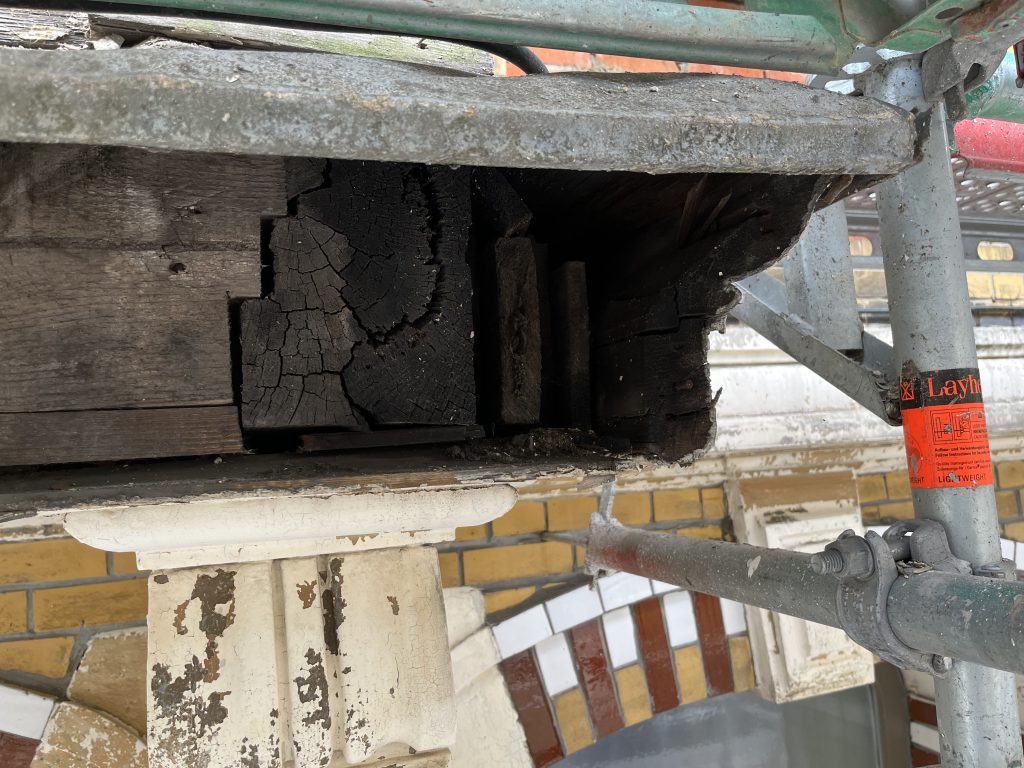
Once the structure is exposed, I assess what can be preserved, repaired, or reinforced, always avoiding unnecessary replacement.
restoration & selective replacement
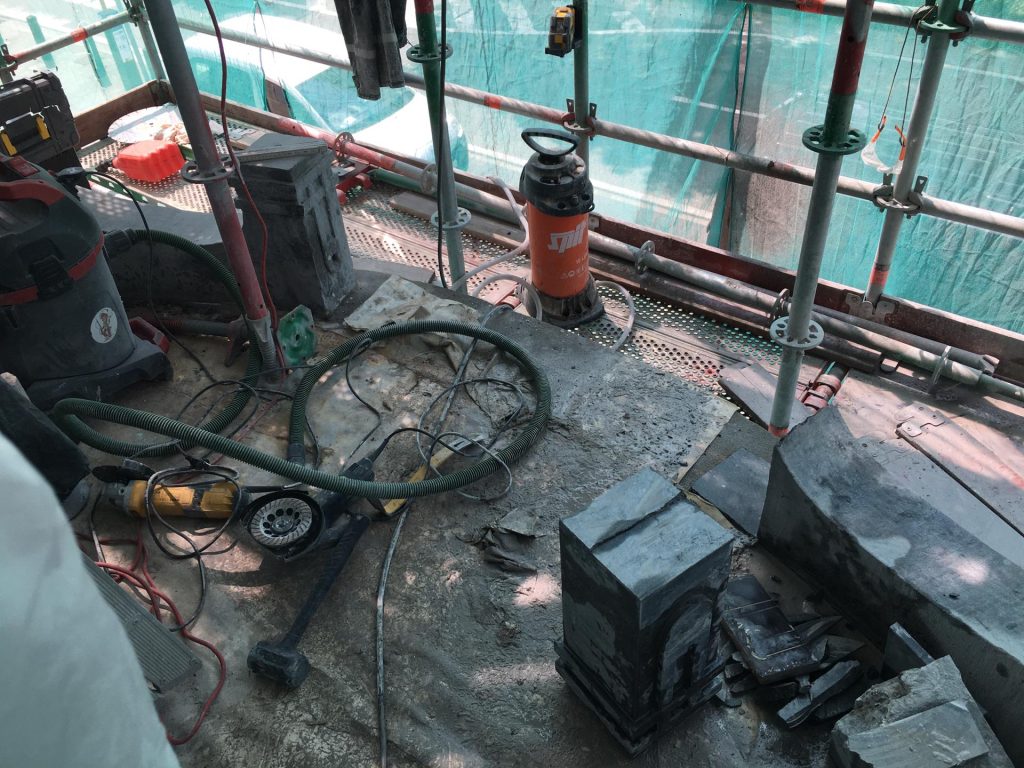
I restore original elements whenever possible, replacing only what is beyond repair, using materials and techniques that respect the building’s character.
Final finishing & long-term respect
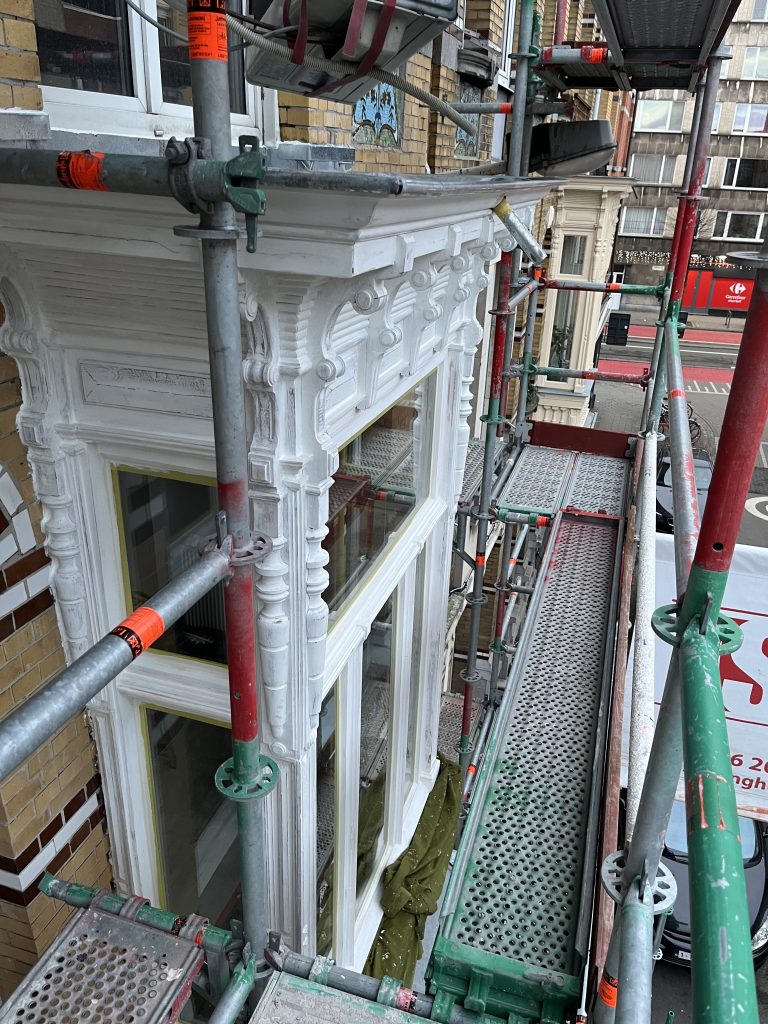
The final finishes are chosen not only for appearance, but for duarbility and compatibility – ensuring the work ages naturally and remains honest over time.